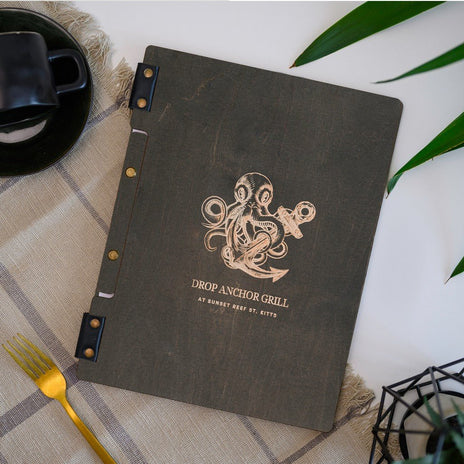
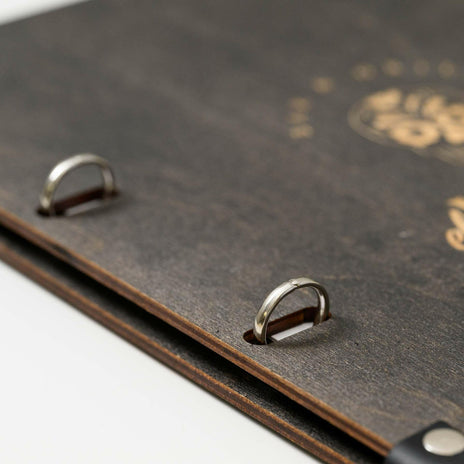
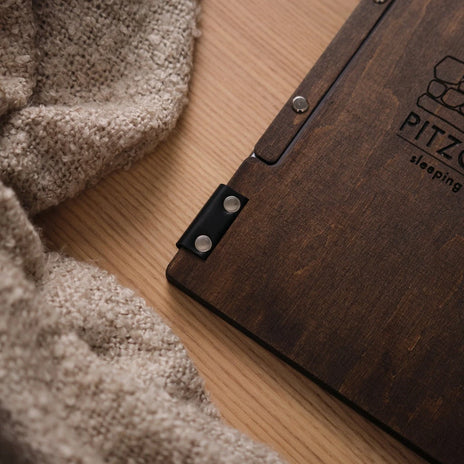
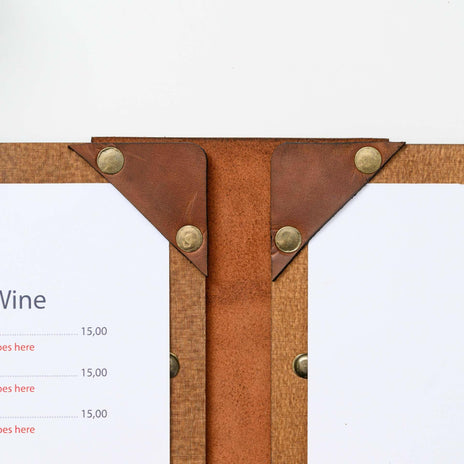

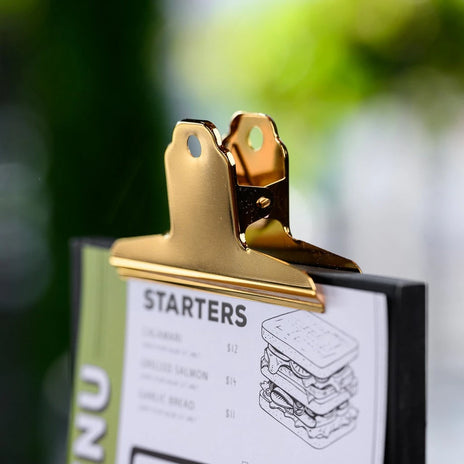
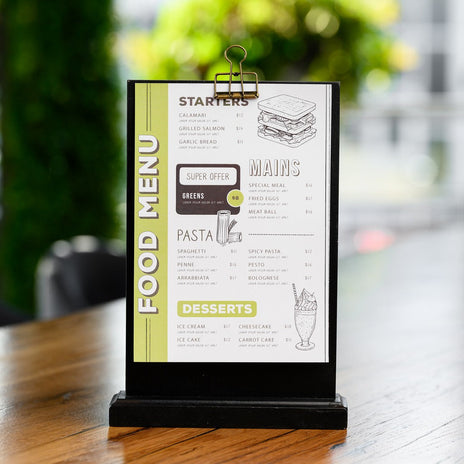
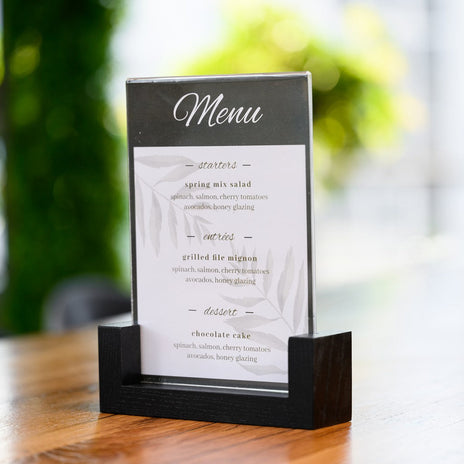
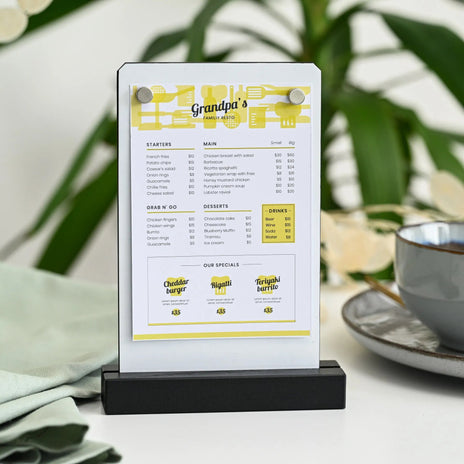
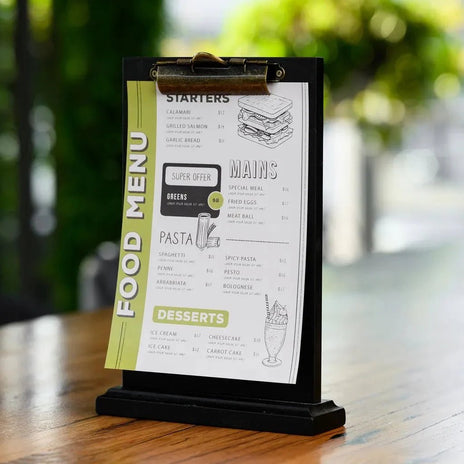
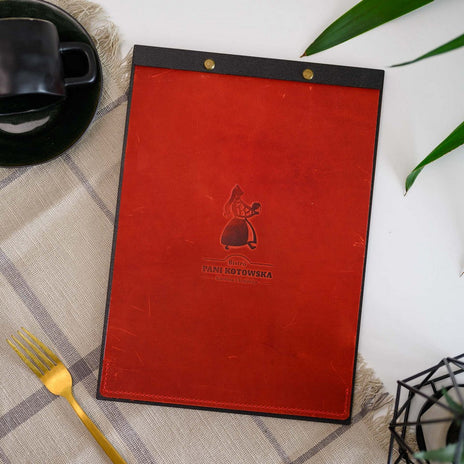
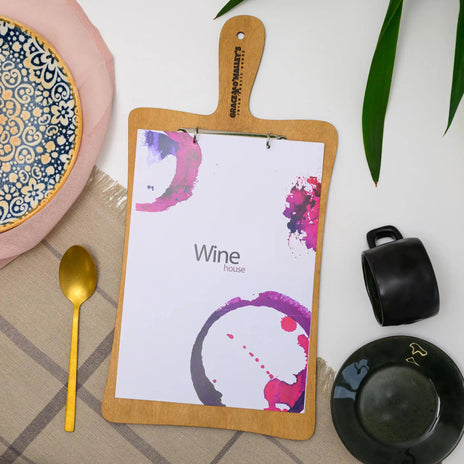
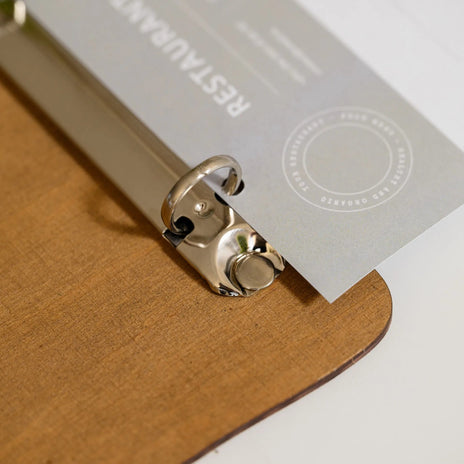
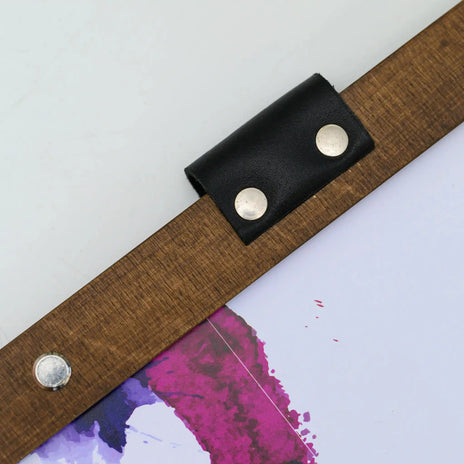
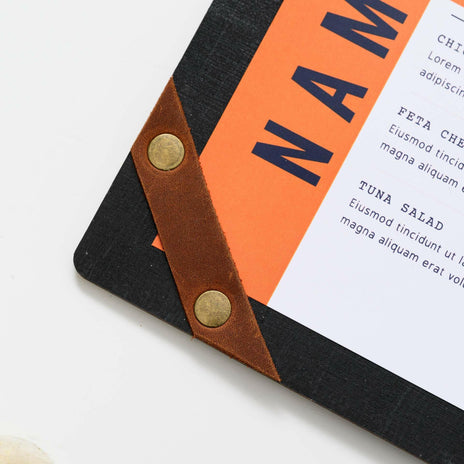
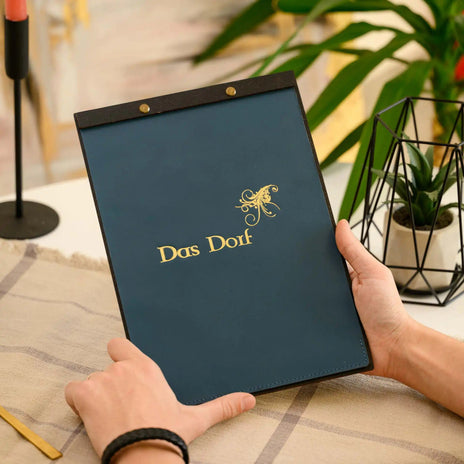
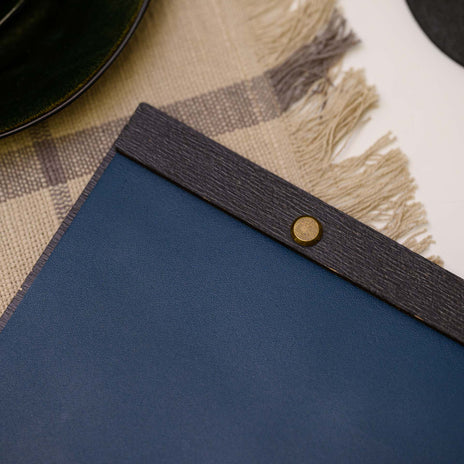

Short answer: restaurant branding is everything that makes guests recognize and remember your place: the name, logo, colors and voice, but also the interior, the menu, the service and every object a guest touches. To build it, define who you serve and what makes you different, turn that into a name, logo and style guide, and then apply it consistently from the sign outside to the check presenter at the end of the meal.

What restaurant branding includes
| Layer | What it covers |
|---|---|
| Strategy | Concept, target guest, positioning, price level, what makes you different |
| Verbal identity | Name, tagline, tone of voice, how dishes are described on the menu |
| Visual identity | Logo, colors, fonts, photo style, patterns |
| Physical touchpoints | Interior, signage, menus, menu covers, table accessories, uniforms, packaging |
| Experience | Service style, music, lighting, how a guest is greeted and how the bill is presented |
| Digital | Website, Google Business Profile, social media, delivery apps, reviews |
A logo alone is not a brand. Guests judge the whole set, and the brand feels strong when every layer says the same thing.
Why restaurant branding matters
- Guests remember you. A clear concept and a consistent look make it easier to recommend you and to find you again.
- It supports your prices. Guests compare the price with what they see and feel: a heavy leather menu cover and a branded check presenter set different expectations than a laminated sheet.
- It makes marketing cheaper. When the interior, the menu and the plates look like your brand, every photo a guest posts carries it.
- It guides decisions. A written brand makes it easy to decide which dish, uniform, chair or menu cover fits and which doesn't.
How to build a restaurant brand step by step
1. Define the concept and the guest
Write down in two or three sentences what you serve, for whom, at what price and in what setting. Be specific: "a neighborhood wine bar with small plates for couples in their 30s" gives you far more direction than "a modern restaurant".
2. Study the competition
Visit or look up the places your guests would choose instead of you. Note their names, colors, menus and price levels, and look for the gap: what nobody nearby does well.
3. Choose a name and a voice
The name should be easy to say, spell and search, and should fit the concept. Then decide how the brand talks: playful or formal, short or descriptive. Use the same voice on the menu, the website and social media.
4. Design the logo and the style guide
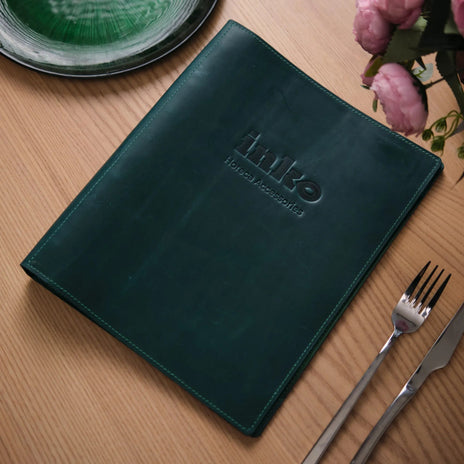
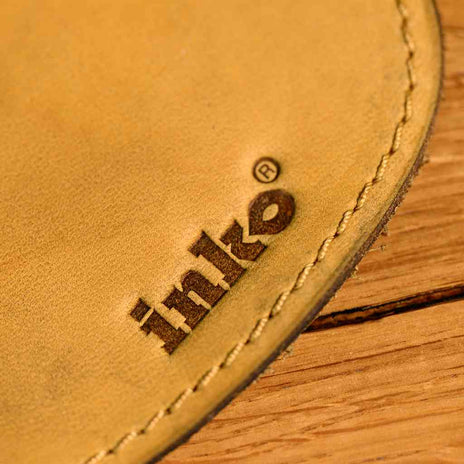
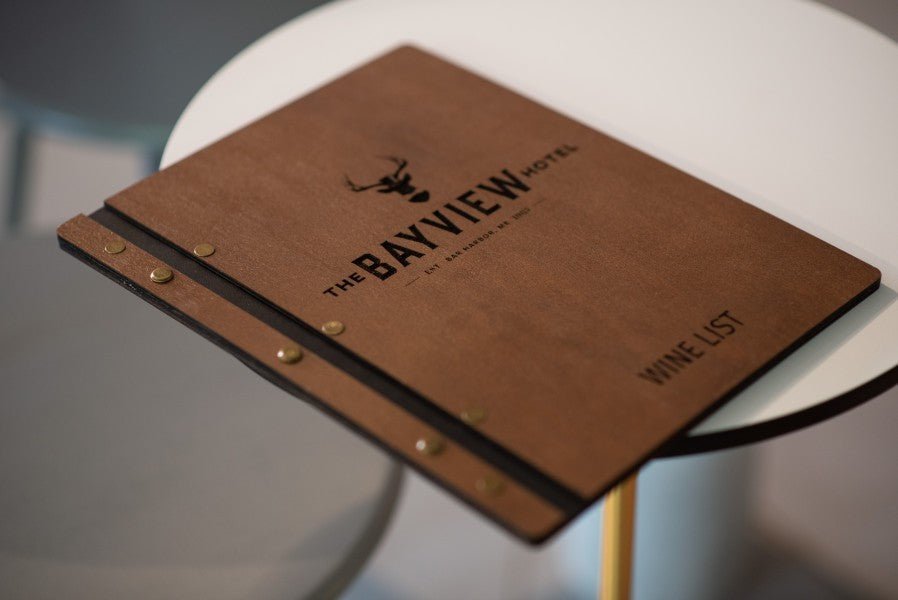
Ask your designer for a logo in several versions (full, short, one-color) and a short style guide: colors, fonts and rules for using them. Think about where the logo will go: it has to work on a sign, a website and also small and in one color, engraved in wood or debossed in leather.

5. Tell the story
Guests remember a reason: the family recipe, the local farm, the chef's background. Put it in a few sentences on the menu, the website and the wall, and keep it true.
6. Bring the brand into the room
Interior materials, lighting, music and uniforms should follow the concept. Then go through every object a guest touches during the visit and decide how each one carries the brand. The next section lists them.
7. Make it consistent online
Use the same name, logo, photos and description on your website, Google Business Profile, social media and delivery apps. Update hours and menus everywhere at once.
8. Train the team and check regularly
Staff are part of the brand: how they greet, describe dishes and present the bill. Write a short guide for the team and walk through the restaurant once a month as a guest would.
Branded touchpoints in the dining room
A guest handles a few objects at every visit. Each one can carry your logo and colors:
| Touchpoint | When the guest sees it | How to brand it |
|---|---|---|
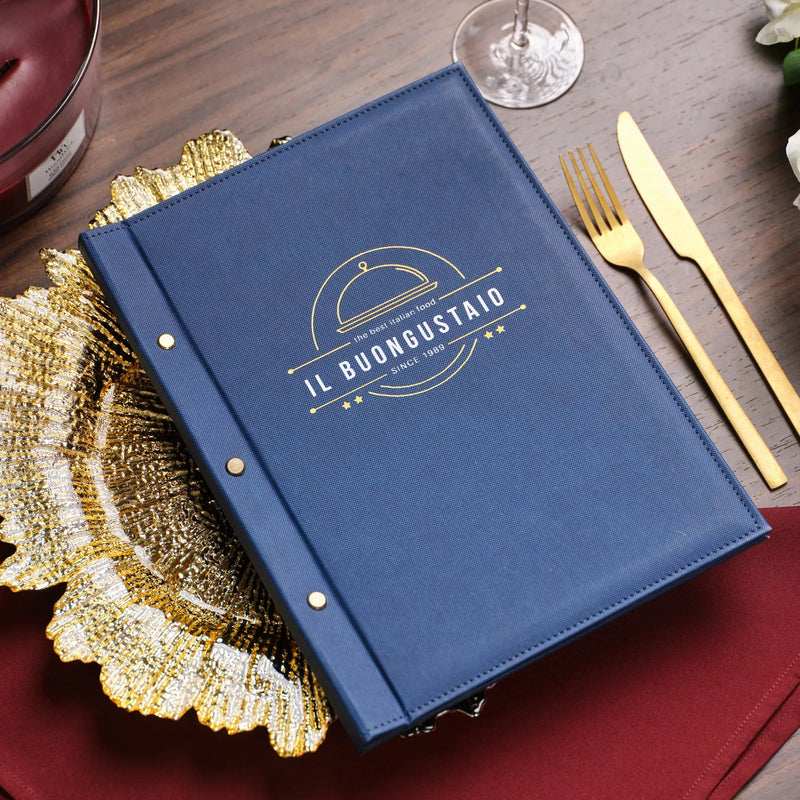
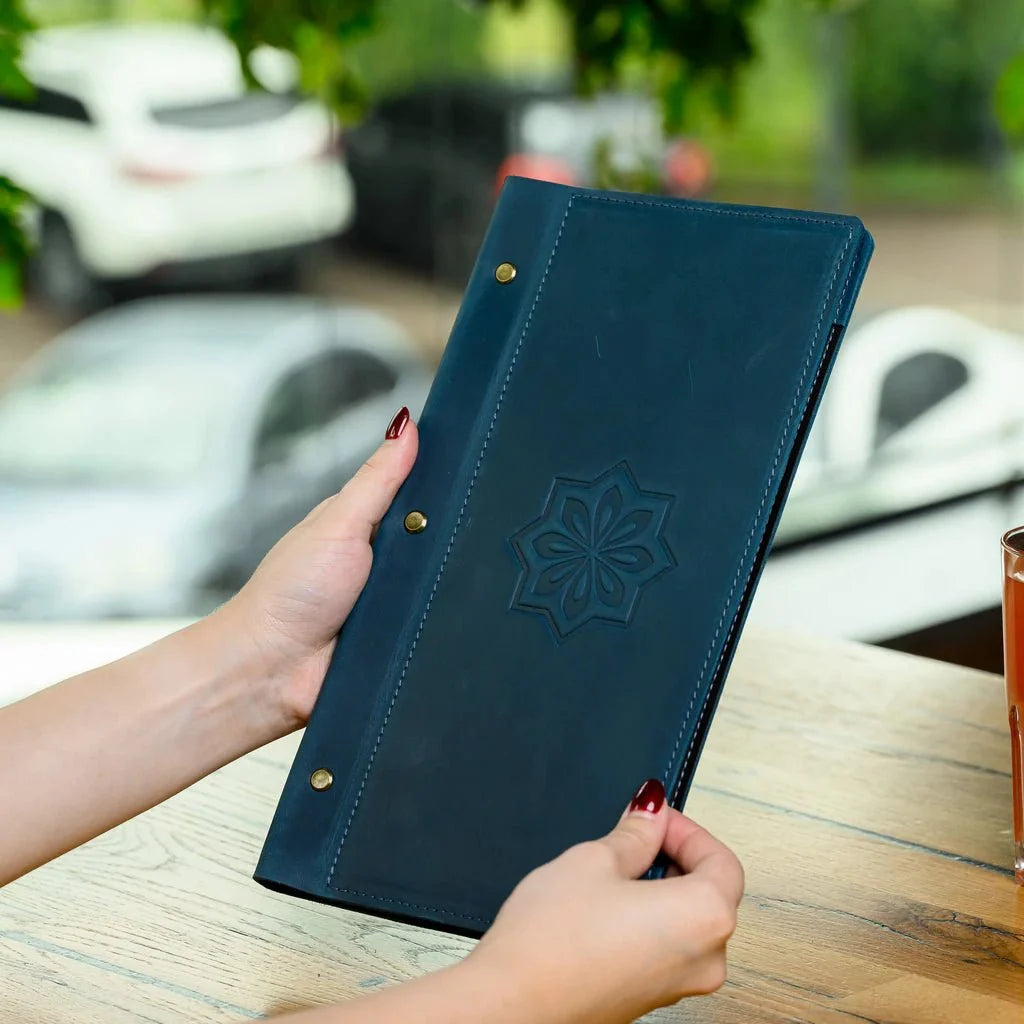
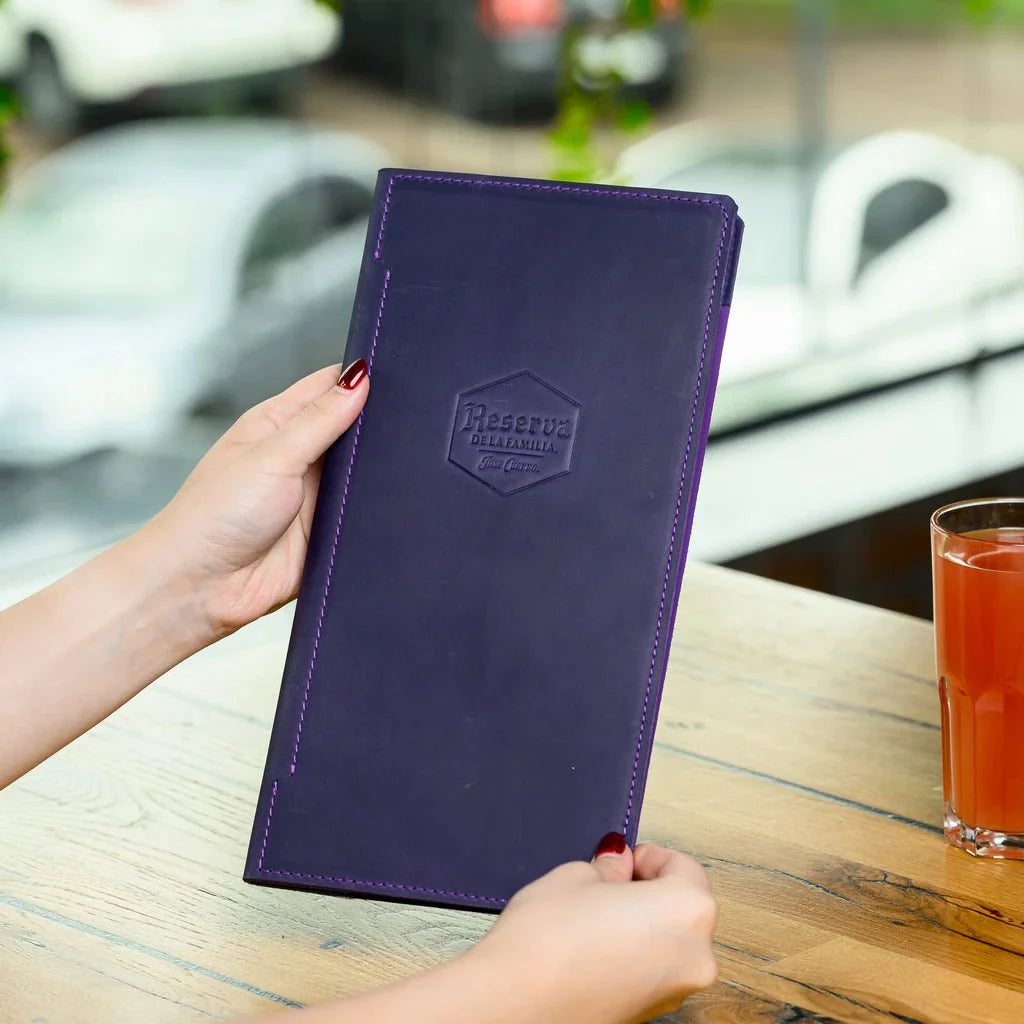
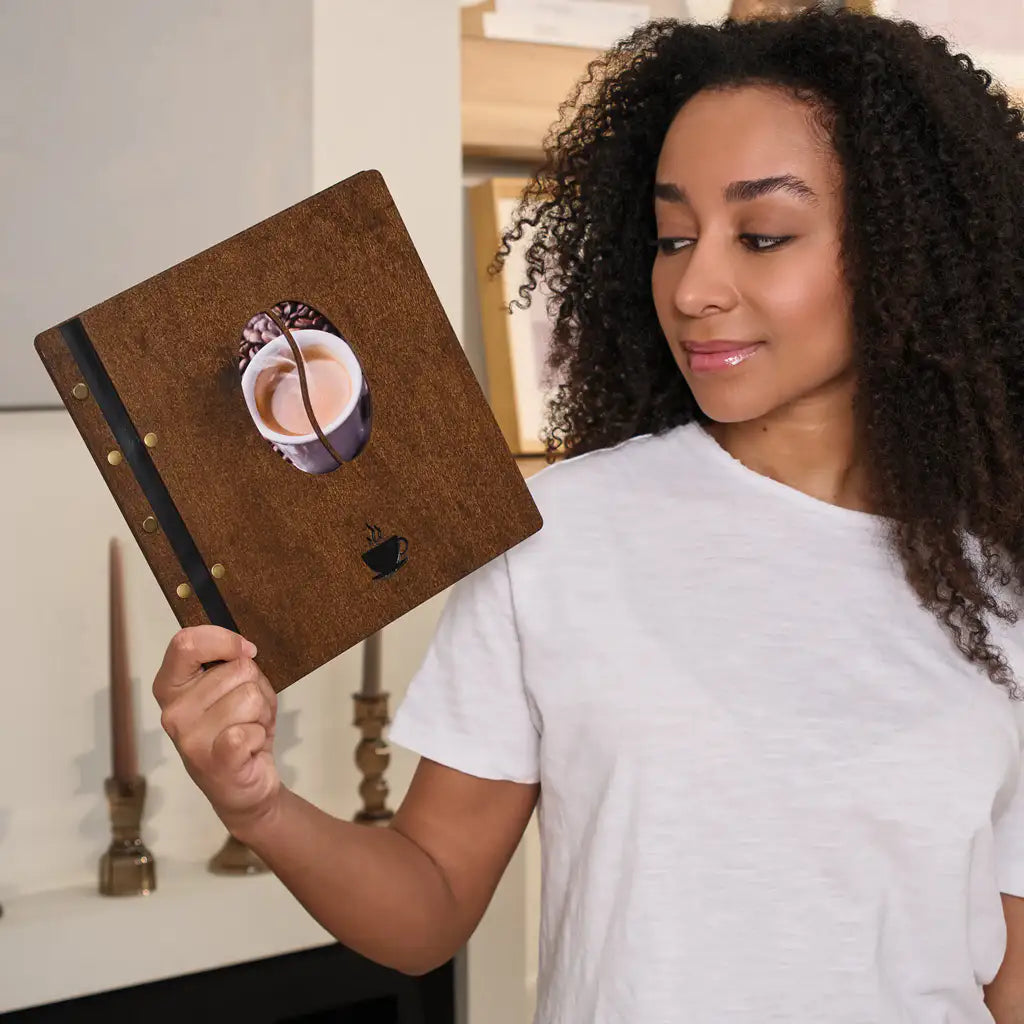
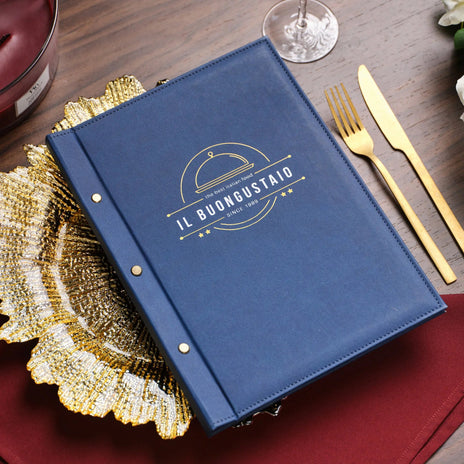
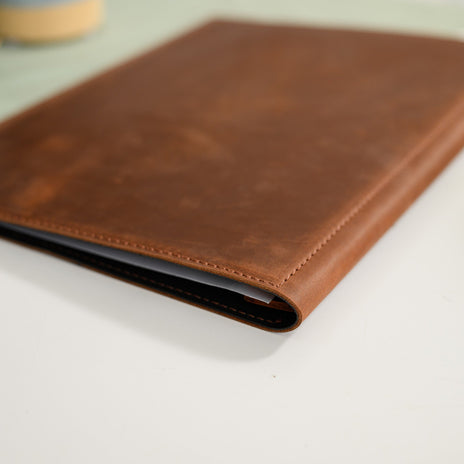
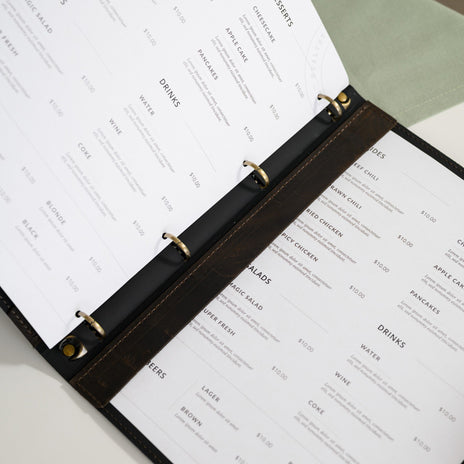
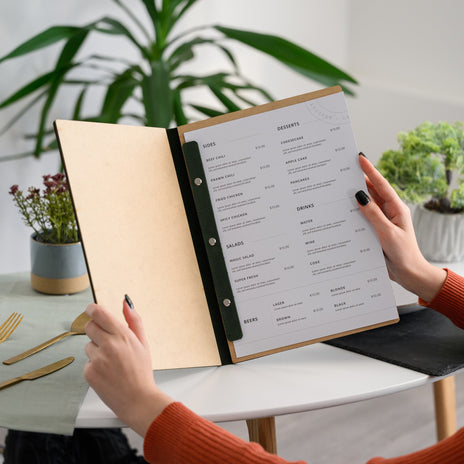
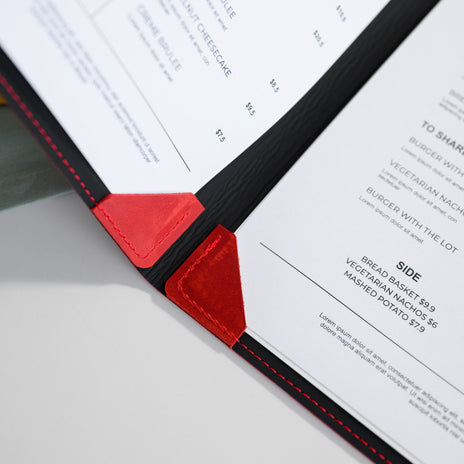
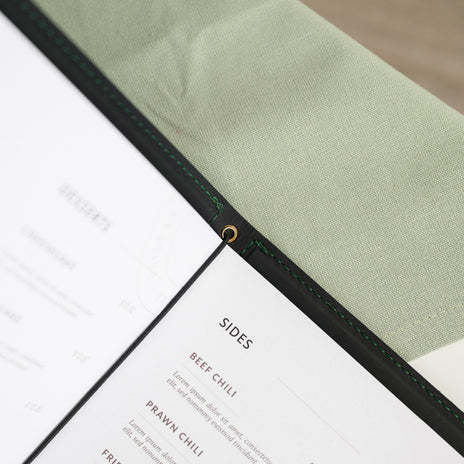
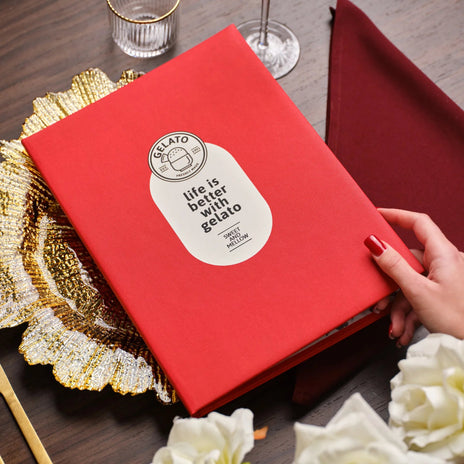
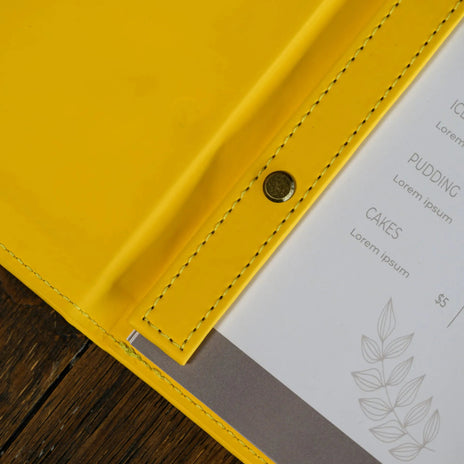
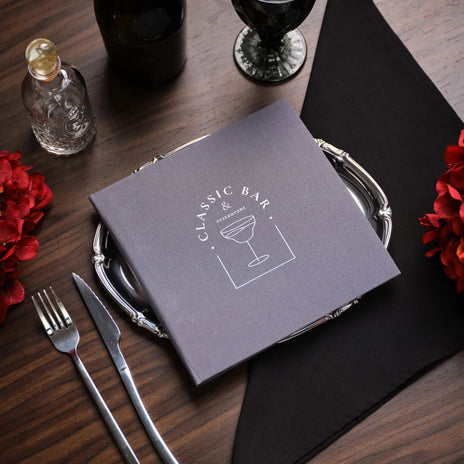
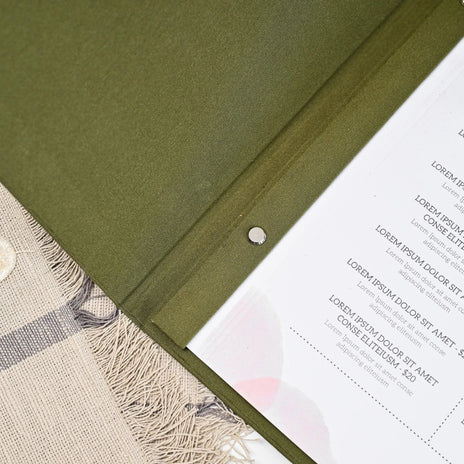
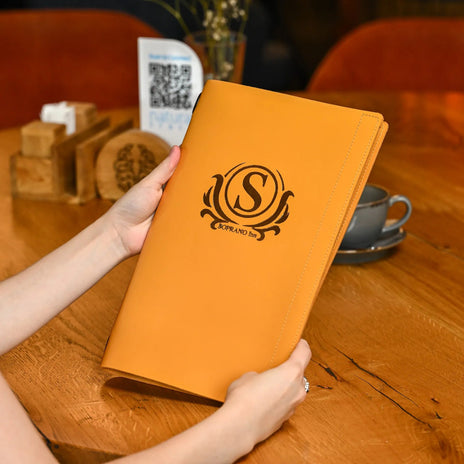
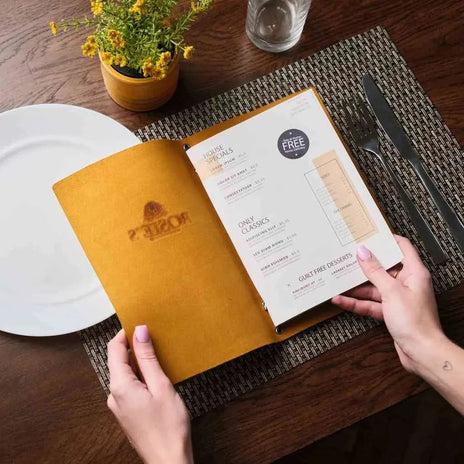
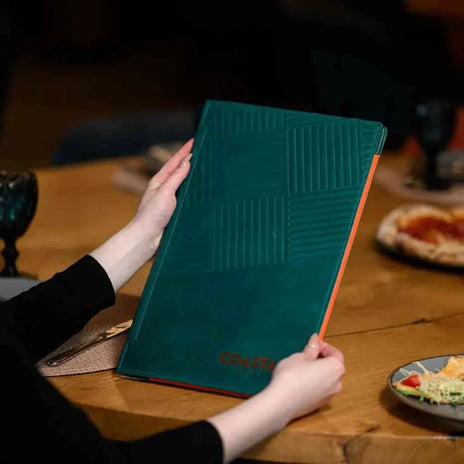
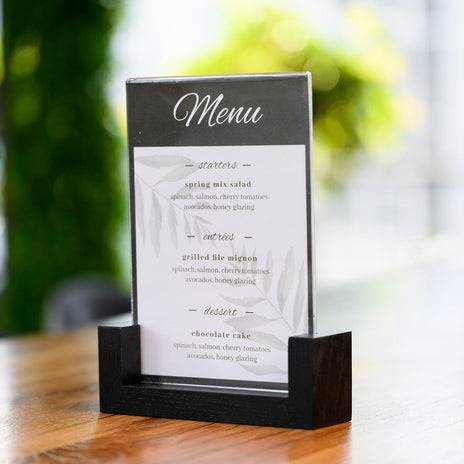
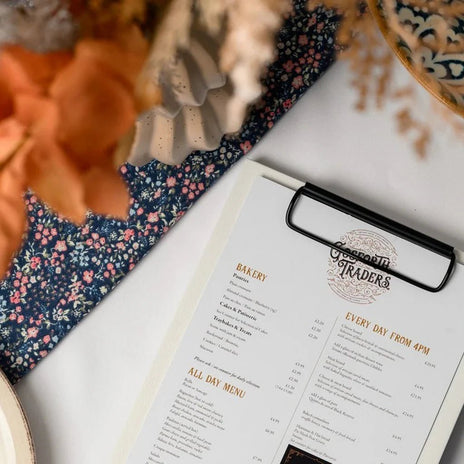
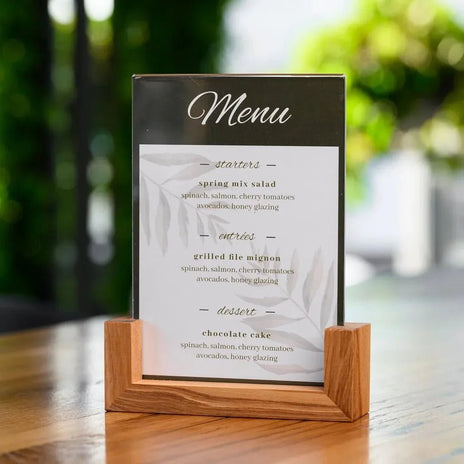
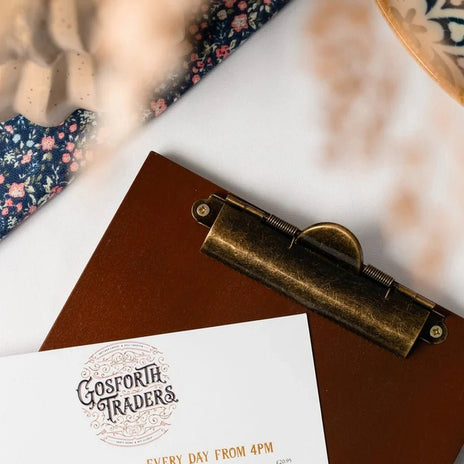
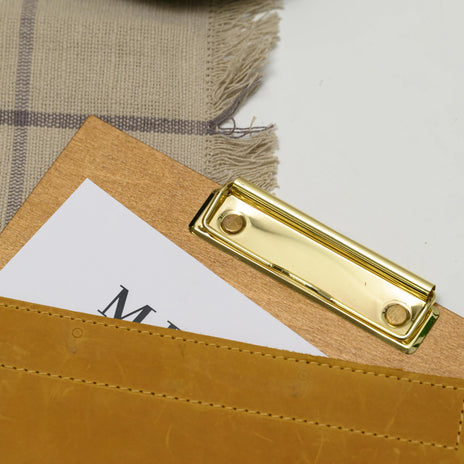
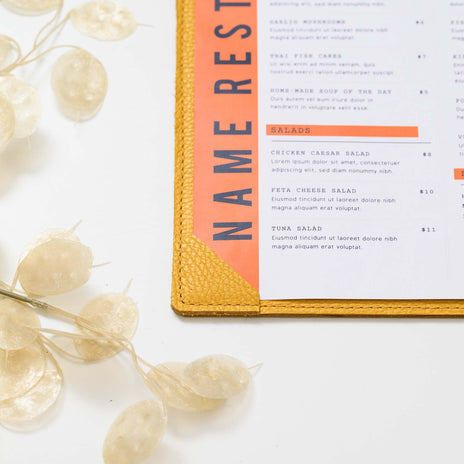
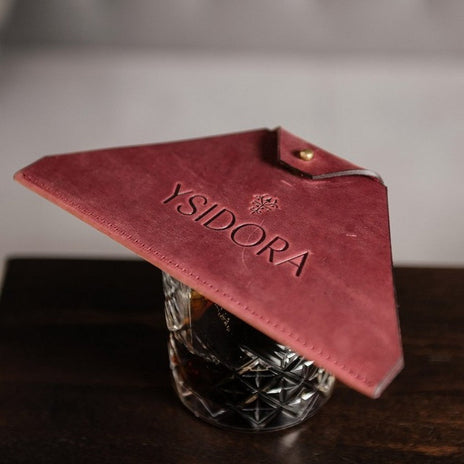
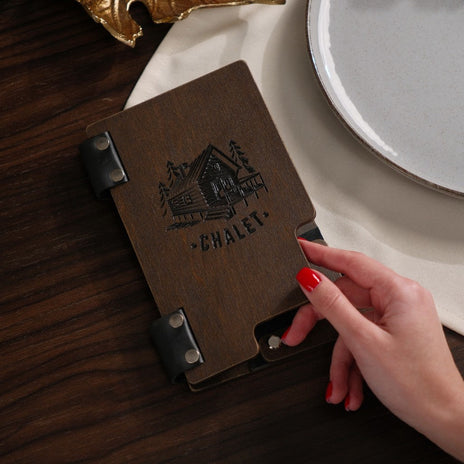
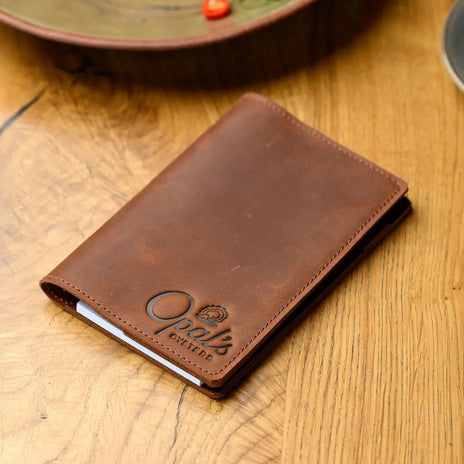
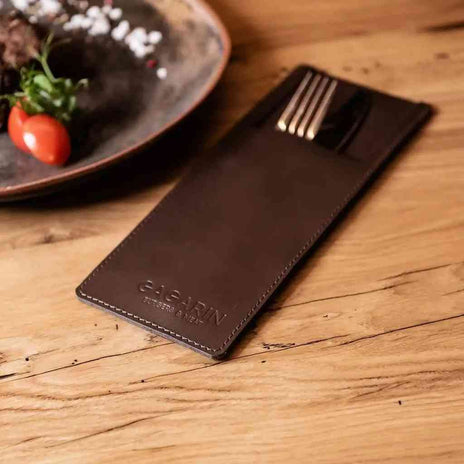
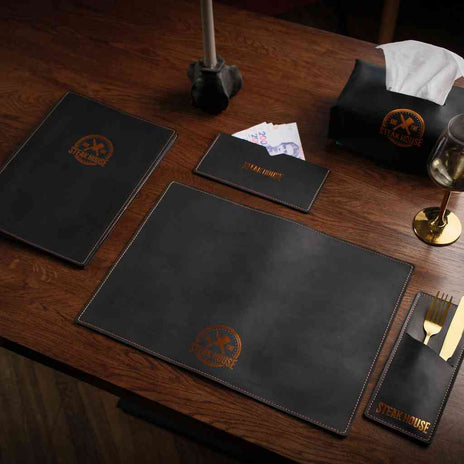
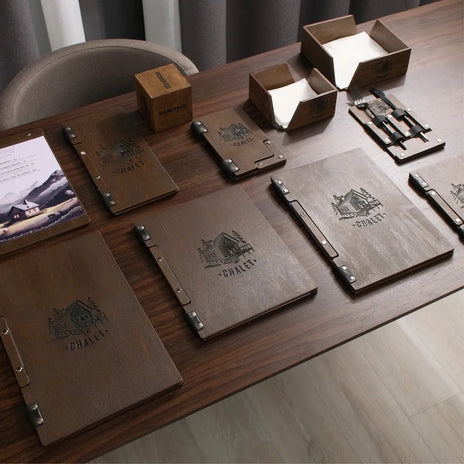
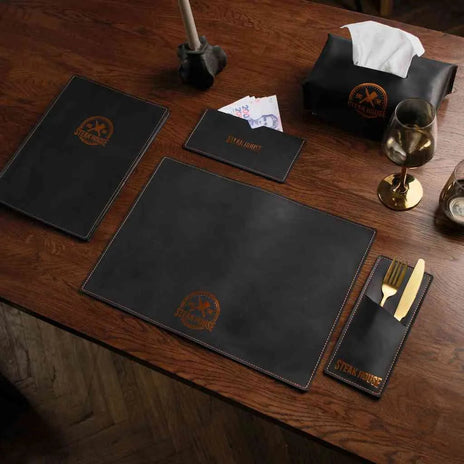
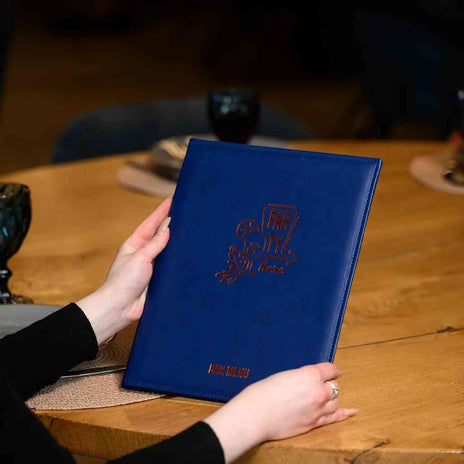
| Menu covers | First object in the guest's hands | Debossed logo on leather, engraved logo on wood, UV or DTF print on fabric and faux leather |
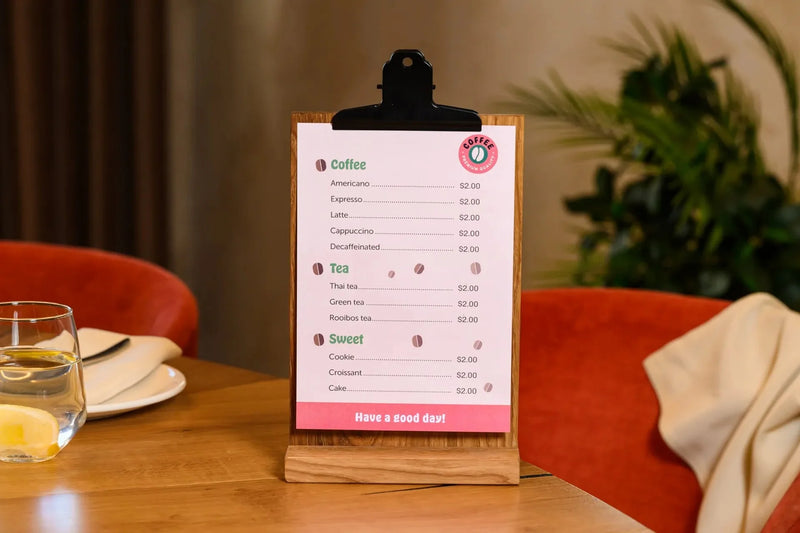
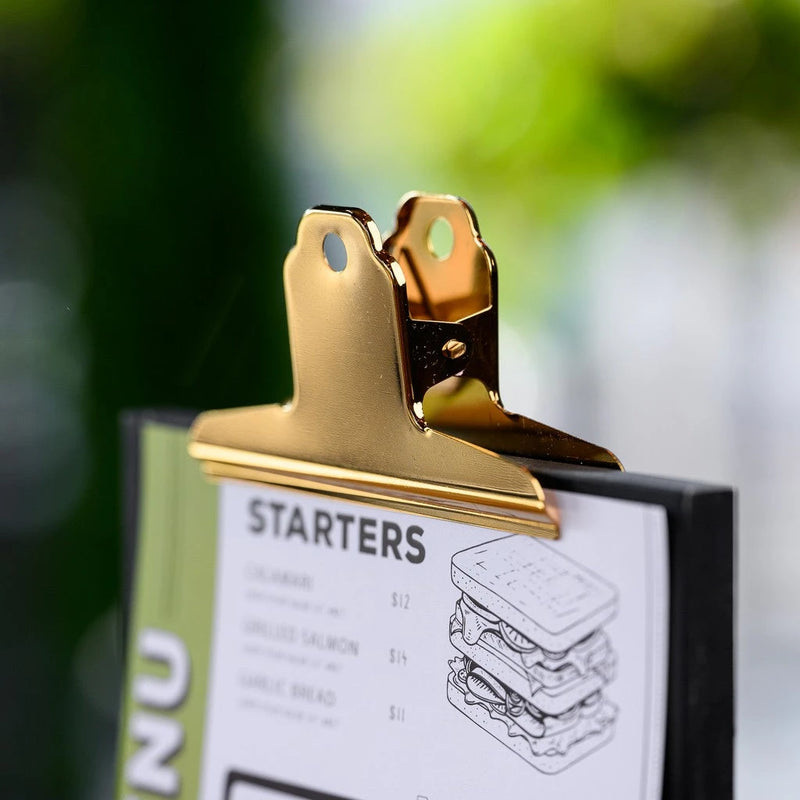
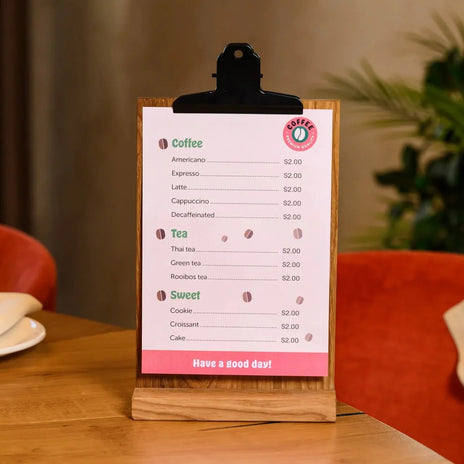
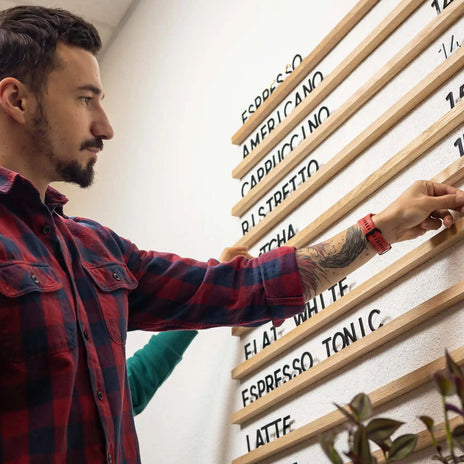
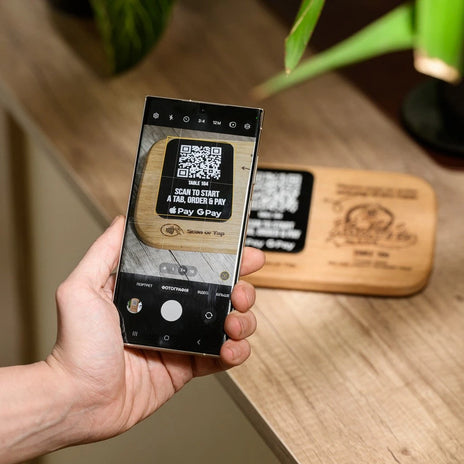
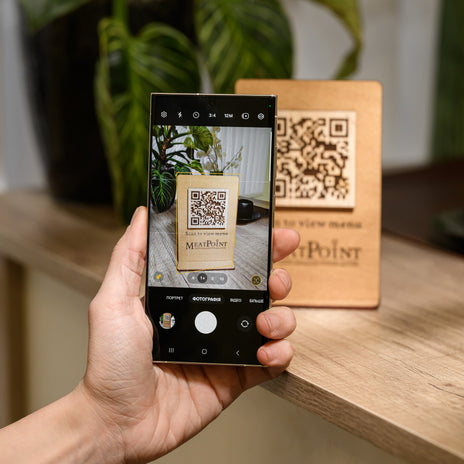
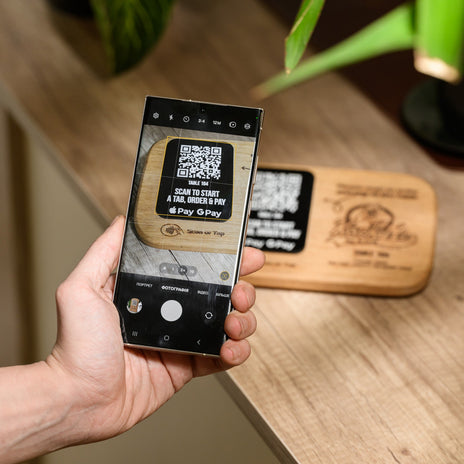
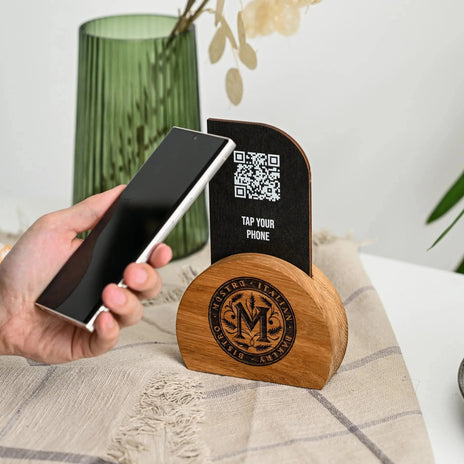
| Table stands and wall menu boards | While choosing and waiting | Logo engraved on the base or bar, rail color matched to the interior |
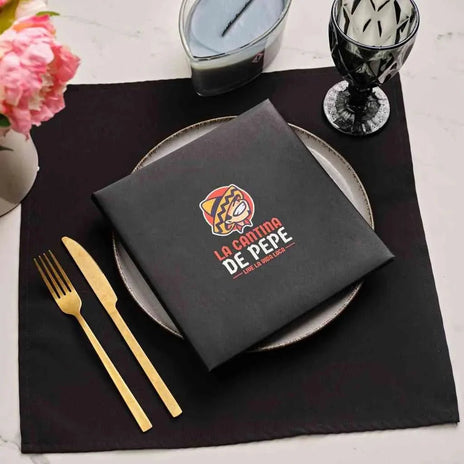
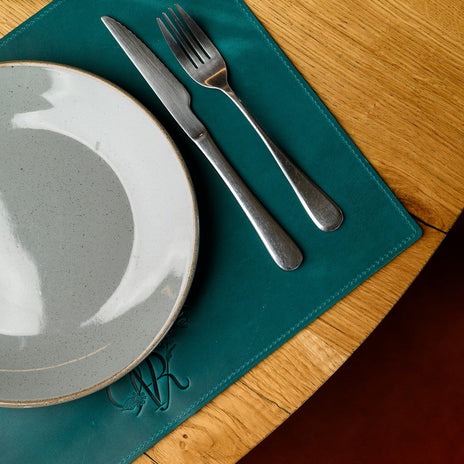
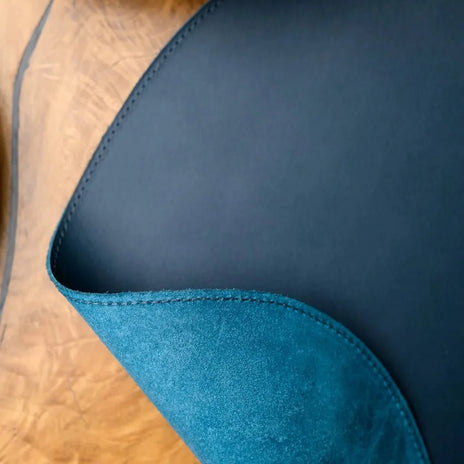
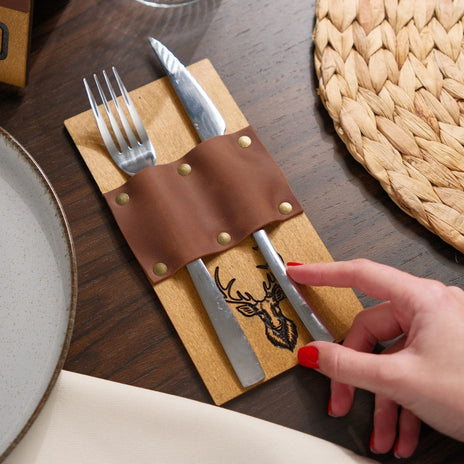
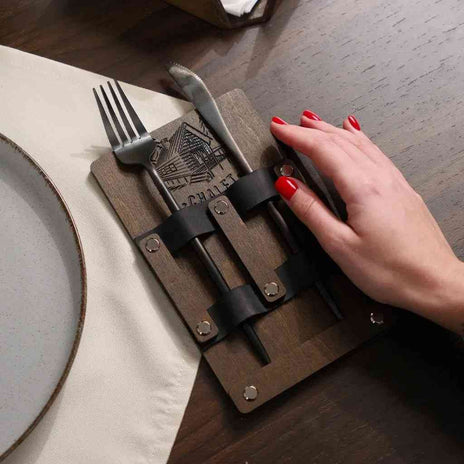
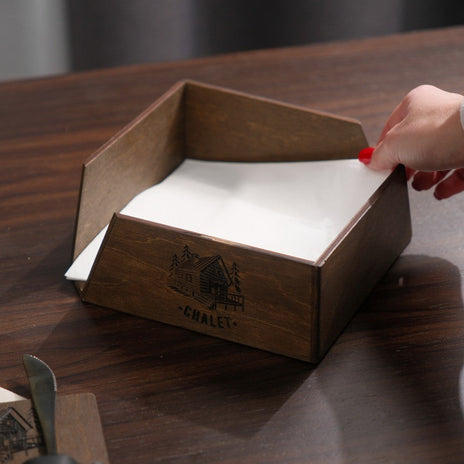
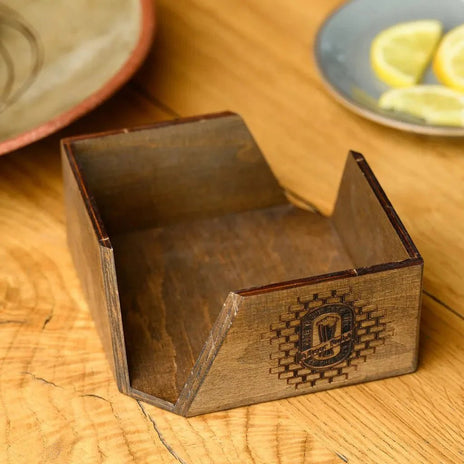
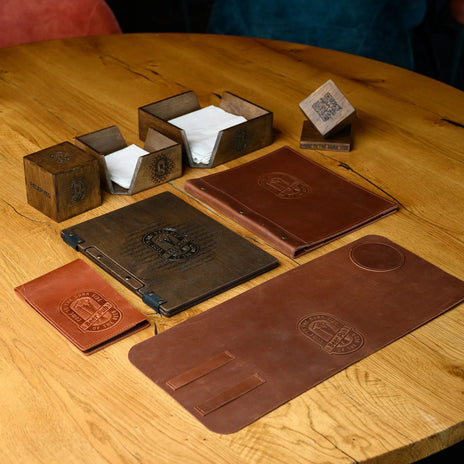
| Placemats and cutlery holders | Throughout the meal | Logo debossed or engraved, colors from the brand palette |
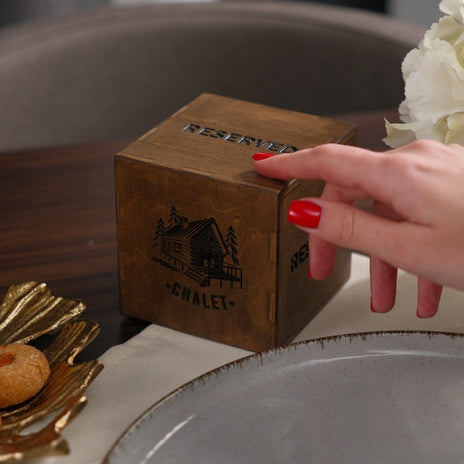
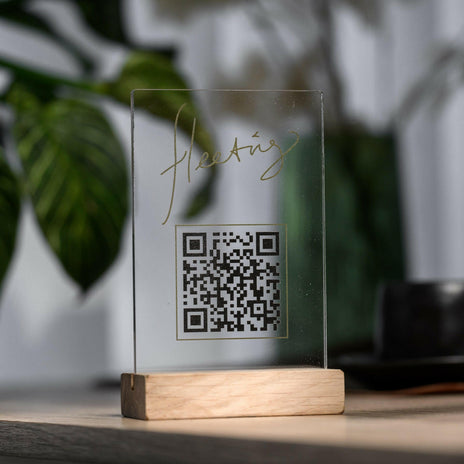
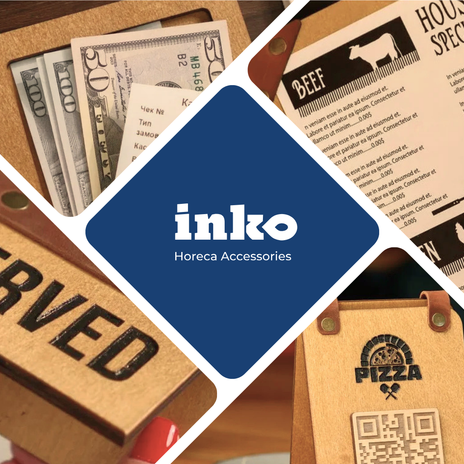
| Reserved signs | On arrival | Logo and "Reserved" engraved in the same style as the menu |
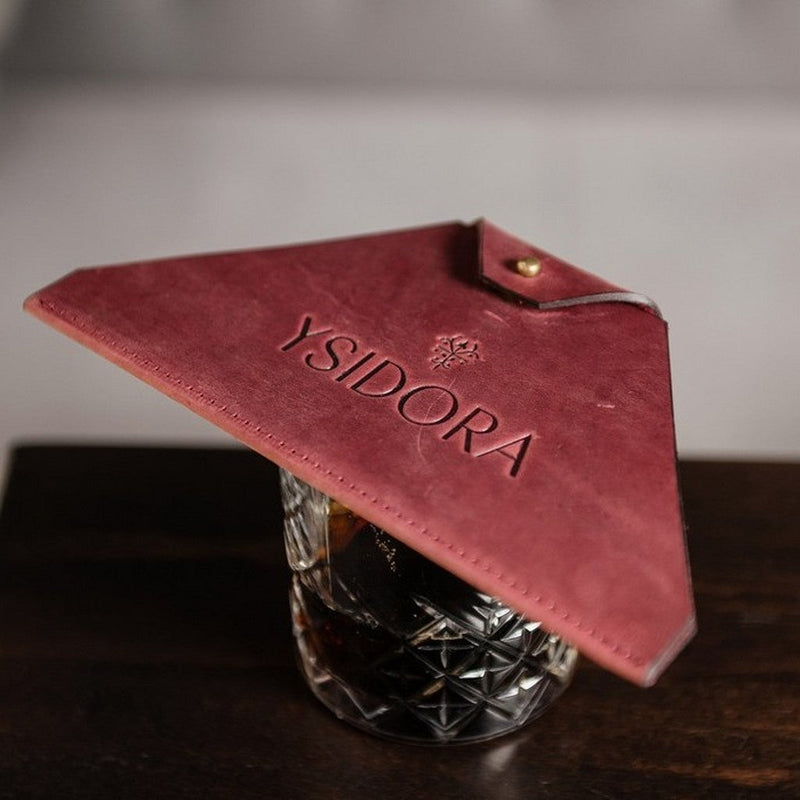
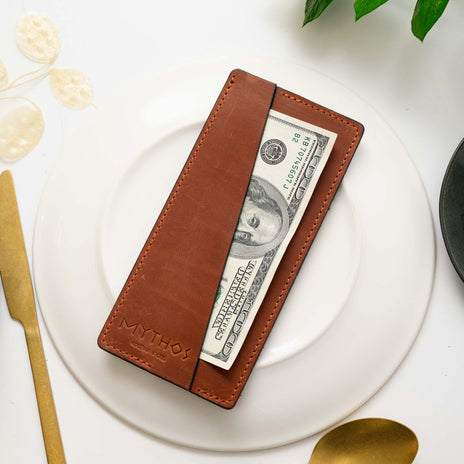
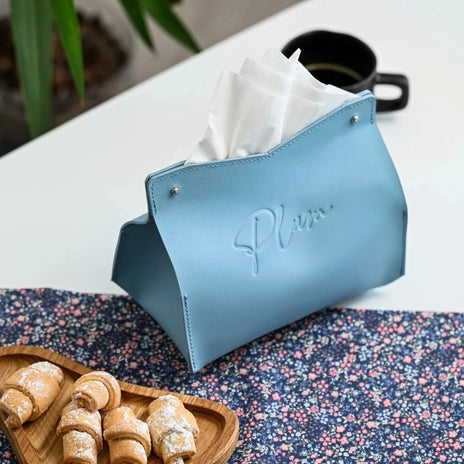
| Check presenters | Last thing before leaving | Logo debossed on leather or engraved on wood, matched to the menu cover |


Keep the material, color and logo method the same across these items so the table reads as one design. Our product sets group them, and the logo guide compares debossing, engraving, UV and DTF print. For debossing on leather we make a metal stamp once ($20–40 depending on size) and keep it for your reorders, and we send a free digital mockup of your logo within 1–2 business days.
Restaurant branding mistakes
- Branding only the outside. A strong sign and website, then plain menus and mismatched tableware inside.
- A logo that only works big. Thin lines and small text disappear when engraved or debossed on a menu cover or a check presenter.
- Too many styles. Different fonts on the sign, the menu and social media, or menu covers that don't match the interior.
- A story that isn't true. Guests notice when the "local farm" or "family recipe" doesn't hold up.
- Not updating. Old menus, worn covers and outdated photos online weaken even a good brand.
When to rebrand a restaurant
Consider a rebrand when the concept or menu has changed and the old look no longer fits, when you open more locations, when guests misunderstand what kind of place you are, or when sales fall while competitors with a clearer concept grow. Keep the elements guests already recognize, such as a color or a symbol, and change the rest step by step: logo and style guide first, then menus and table accessories, signage, and online profiles.
FAQ
What is restaurant branding?
Restaurant branding is the identity that makes a restaurant recognizable: its concept, name, logo, colors and voice, and how they show up in the interior, the menu, the service and online.
What are the key elements of a restaurant brand?
A clear concept and target guest, a name and tone of voice, a logo and style guide, a story, a consistent interior and table setting, and a consistent online presence.
How do I build a brand identity for a new restaurant?
Define the concept and guest, study competitors, choose a name and voice, design a logo and style guide, then apply them to the interior, menus, table accessories, staff and online profiles.
How can a restaurant increase brand awareness?
Make the brand visible where guests take photos (menus, plates, table accessories, interior), keep Google and social profiles complete and consistent, collect reviews and give guests a reason to share, such as a signature dish or a memorable detail on the table.
How do I put my restaurant logo on menus and table accessories?
Send your logo in vector format. It can be debossed on leather, laser-engraved on wood, or printed with UV or DTF on fabric and faux leather. We prepare a free digital mockup within 1–2 business days.
See your logo on the table
Send us your logo and tell us which items you need. We will prepare a free digital mockup of your menu covers, check presenters and table accessories within 1–2 business days. Contact our team.