


Short answer: prix fixe (pronounced "pree feeks") is French for "fixed price". A prix fixe menu offers a meal of two or more courses for one set price, usually with a small choice in each course, for example two starters, three mains and two desserts. It is the opposite of à la carte, where every dish has its own price.
Below: how prix fixe differs from à la carte, table d'hôte and tasting menus, when it makes sense for a restaurant, how to price it and how to present it to guests.
Prix fixe meaning in a restaurant
On a prix fixe menu the guest pays one price for the whole meal, not for each plate. A typical format is three courses (starter, main and dessert), but a quick lunch can be two courses and a fine-dining dinner can run to six or more. Drinks are usually extra, and some restaurants offer a wine pairing for an added price.
You will see it written as "prix fixe", "prix-fixe" or "set menu", and on some menus as "table d'hôte".
Prix fixe vs à la carte vs table d'hôte vs tasting menu
| Menu | How it is priced | Guest choice | Typical use |
|---|---|---|---|
| Prix fixe | One price for a set number of courses | A few options per course | Lunch deals, restaurant weeks, holidays, groups |
| À la carte | Each dish priced separately | Full choice from the menu | Most restaurants, every day |
| Table d'hôte | One price for a set meal; the term is often used as a synonym for prix fixe | Few or no options | Inns, hotels, set dinners |
| Tasting menu | One price for a sequence of small courses | Usually none; the chef decides | Fine dining, chef's tables |
The lines overlap: a tasting menu is a kind of prix fixe, and many restaurants run a prix fixe option next to the à la carte menu. For more formats, see our guide to types of restaurant menus.
When a prix fixe menu makes sense
- Restaurant weeks and holidays. Valentine's Day, New Year's Eve and city restaurant weeks are usually built around a fixed-price menu.
- Slow days. A weekday lunch or early-evening prix fixe gives guests a clear reason to come in.
- Groups and private events. One menu for the whole table makes ordering, kitchen timing and the bill simpler.
- A short kitchen team. Fewer dishes mean less prep, less waste and steadier quality.
- New guests. A set price lowers the risk of trying an expensive restaurant for the first time.
How to price a prix fixe menu
- Cost every dish on the menu. Add up the ingredient cost of one portion for each starter, main and dessert.
- Find the most expensive combination. Take the costliest starter, main and dessert together. Your price has to work for that combination, not only for the average one.
- Apply your target food cost. Divide the cost of that combination by your target food cost percentage. With $13.50 of ingredients and a 30% target, the price is $13.50 ÷ 0.30 = $45.
- Compare with your à la carte prices. Guests expect the set menu to cost a little less than ordering the same three courses separately. If it does not, add a course or adjust the dishes.
- Price drinks and supplements separately. A wine pairing or a premium main "with a $10 supplement" keeps the base price attractive.
To see which dishes earn the most once the menu is running, use menu engineering.
How to present a prix fixe menu
A prix fixe menu is usually one page that changes with the season or the event, so it needs a format that is easy to reprint and swap.
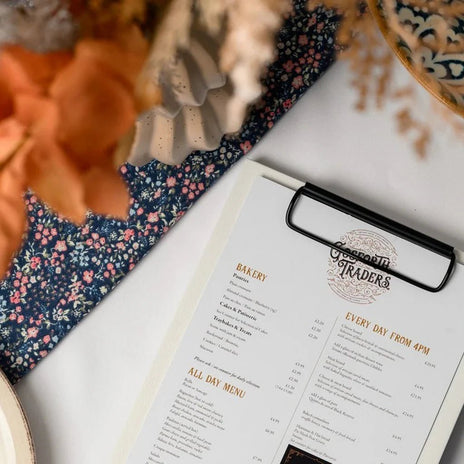
- Print it on one sheet with the price at the top, the courses in order and the number of choices clear: "Choose one from each course".
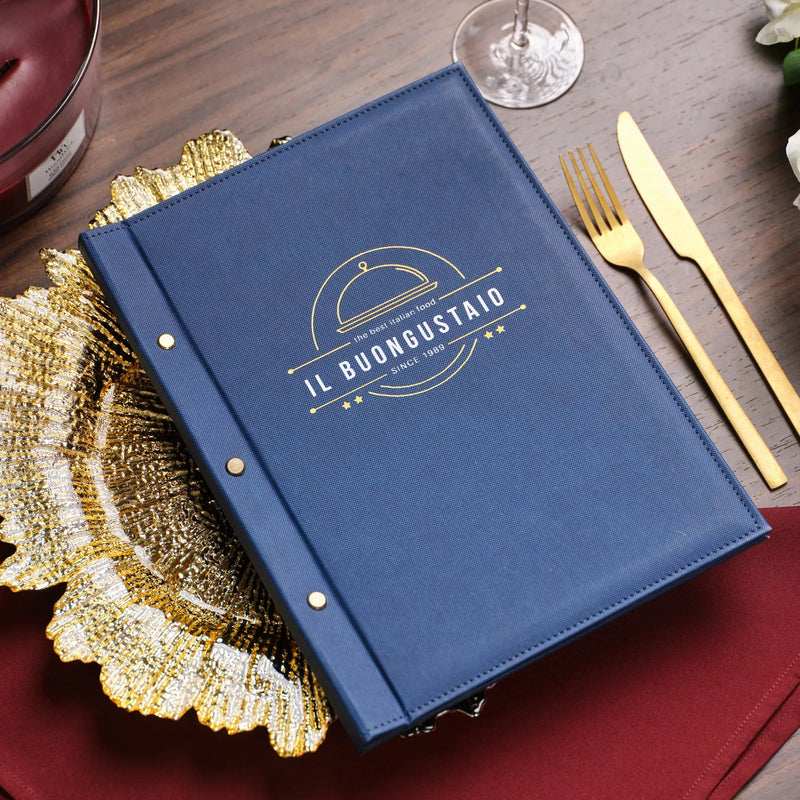
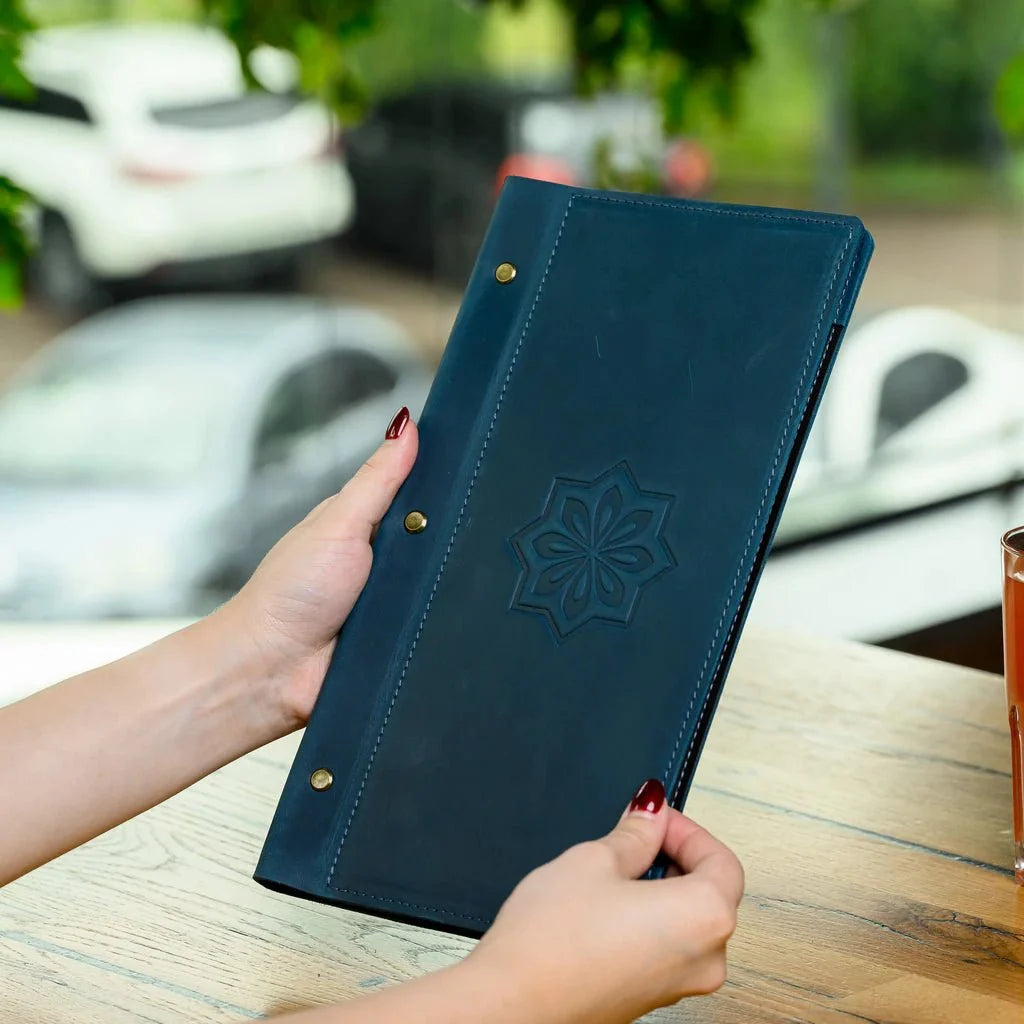
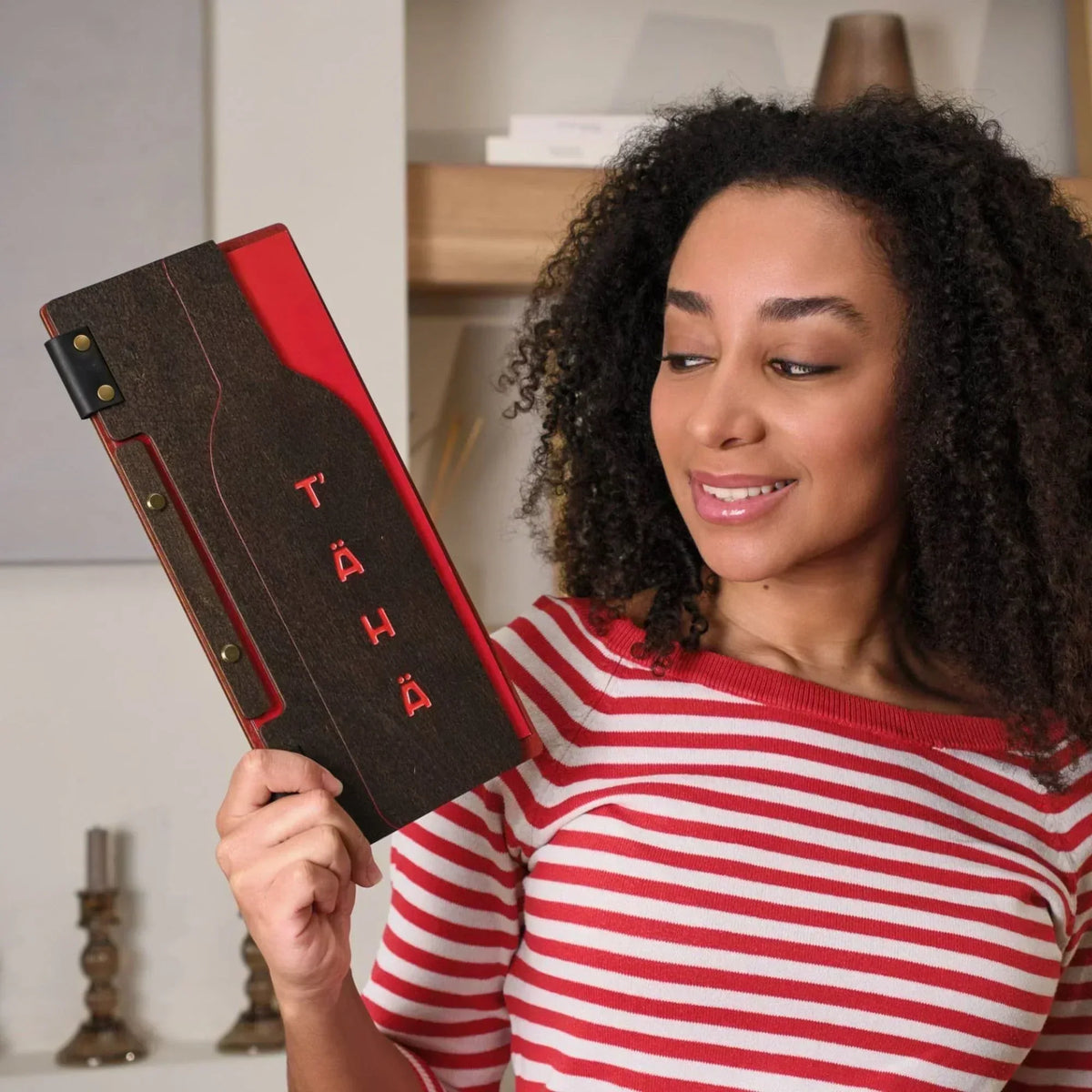
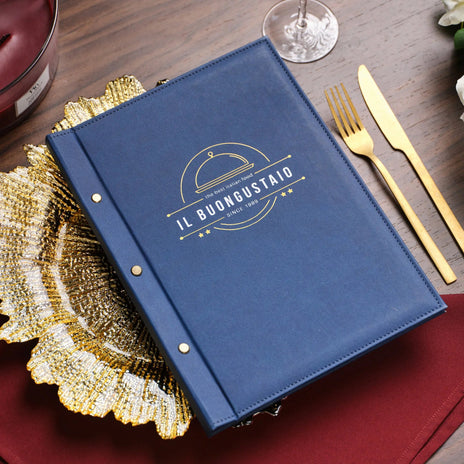
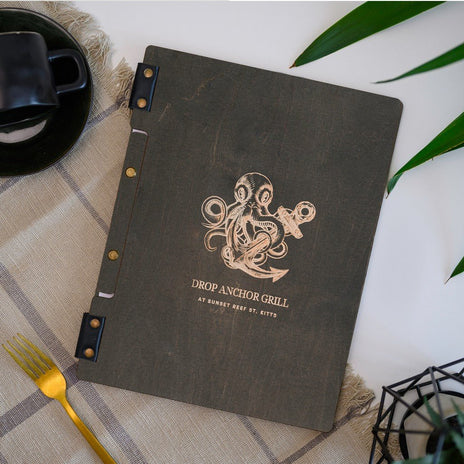
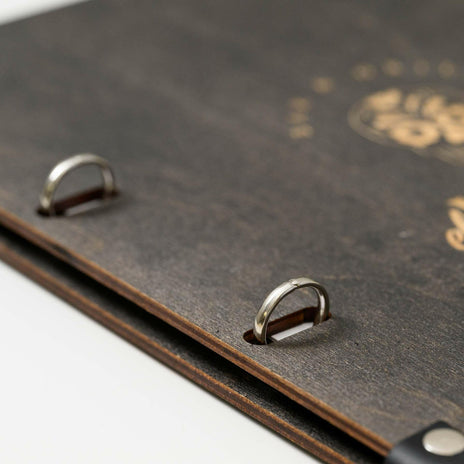
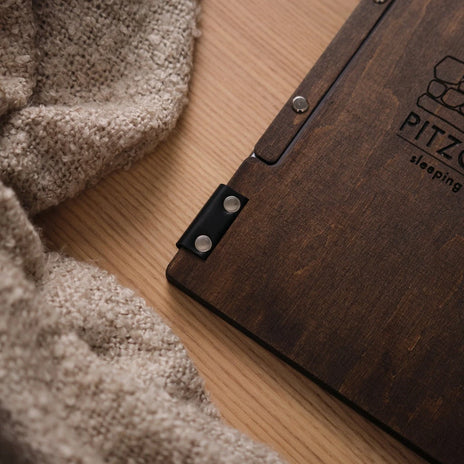
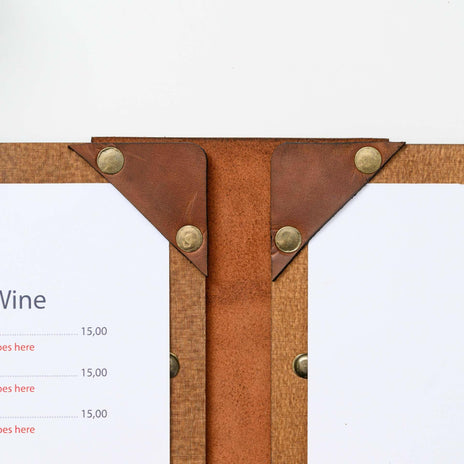
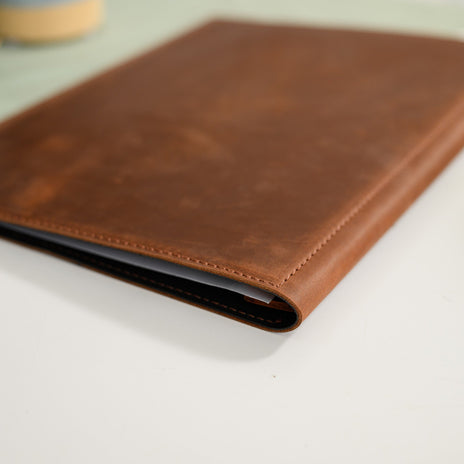
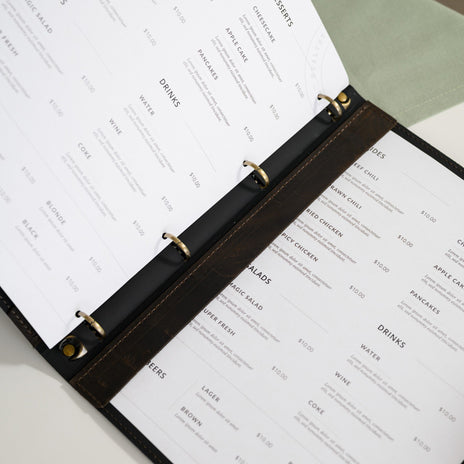
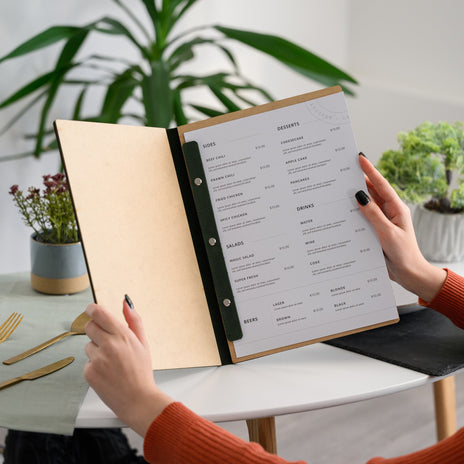
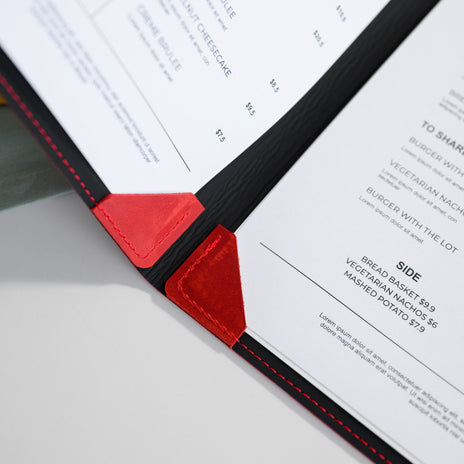
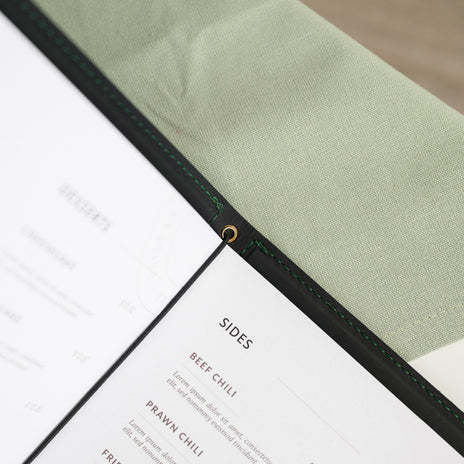
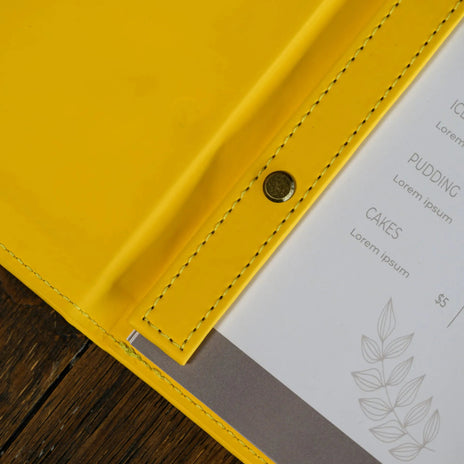
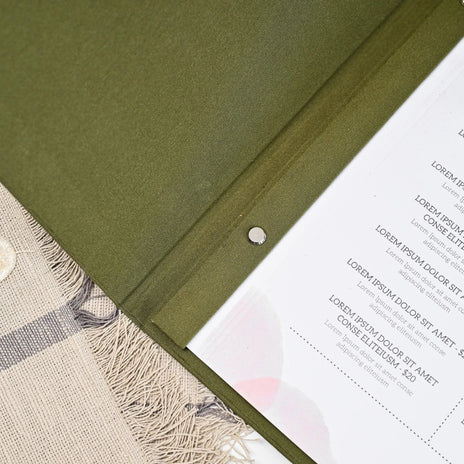
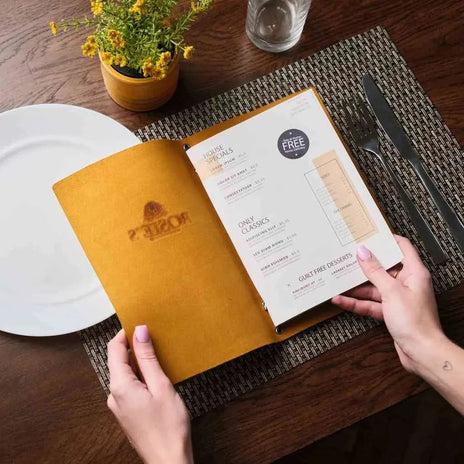
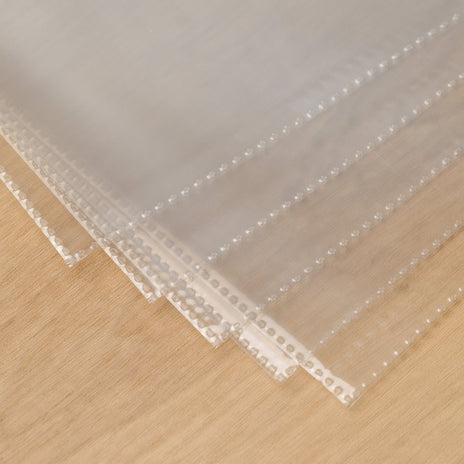
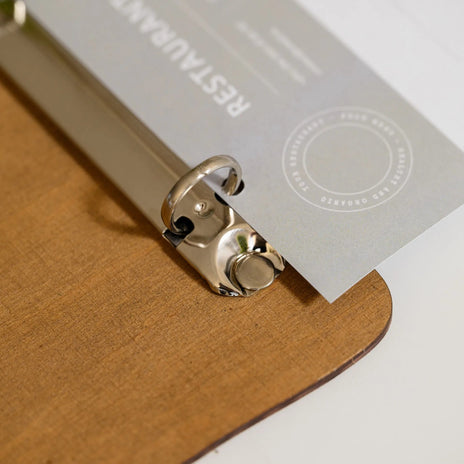
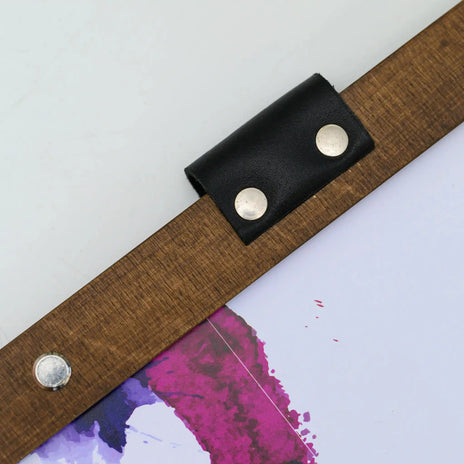
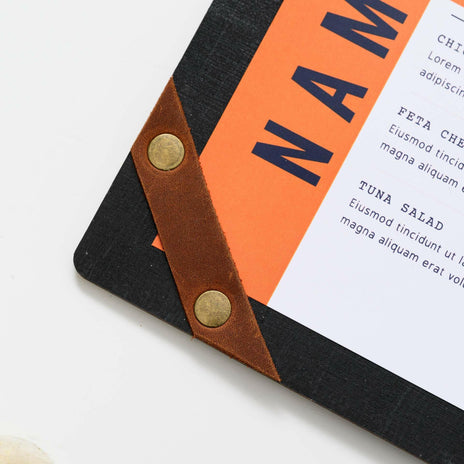
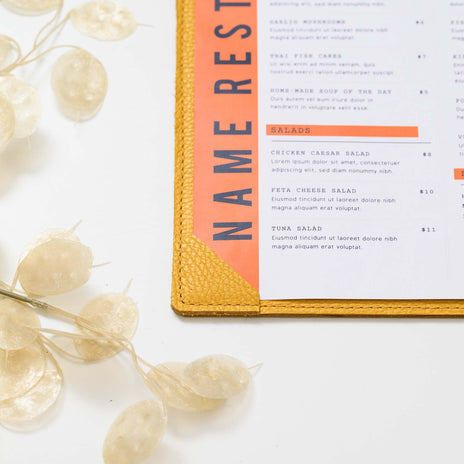
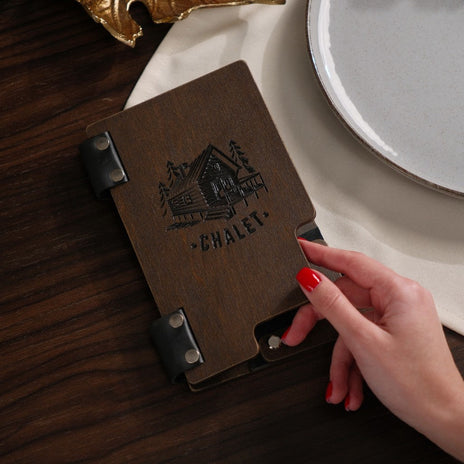
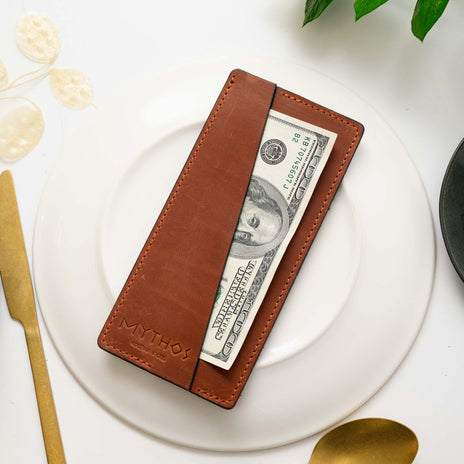
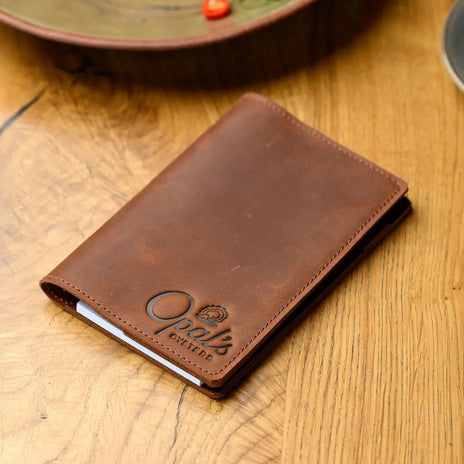
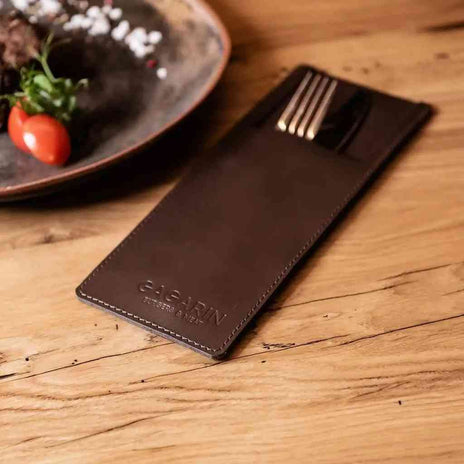
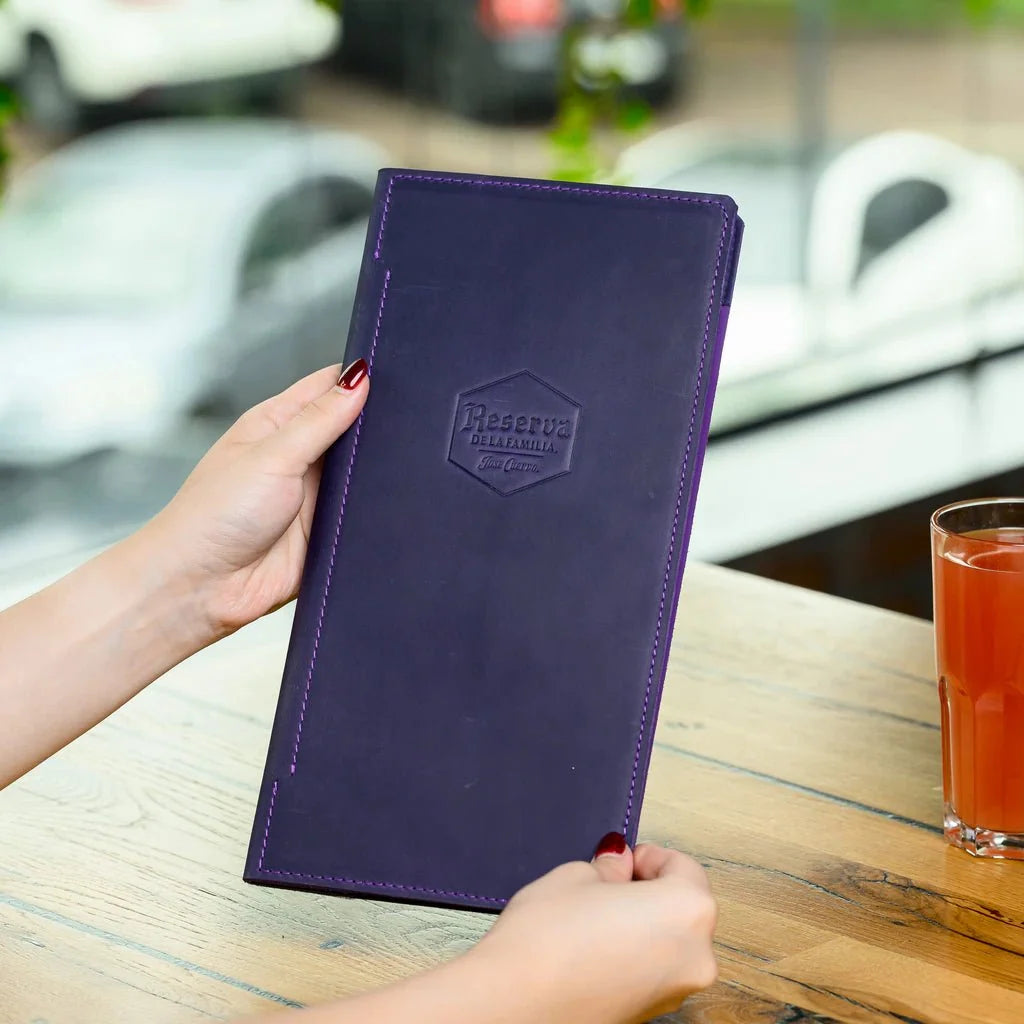
- Use a cover that holds a single sheet flat. Corner mounts hold one or two sheets without screws or rings, so the page looks clean and changes in seconds.
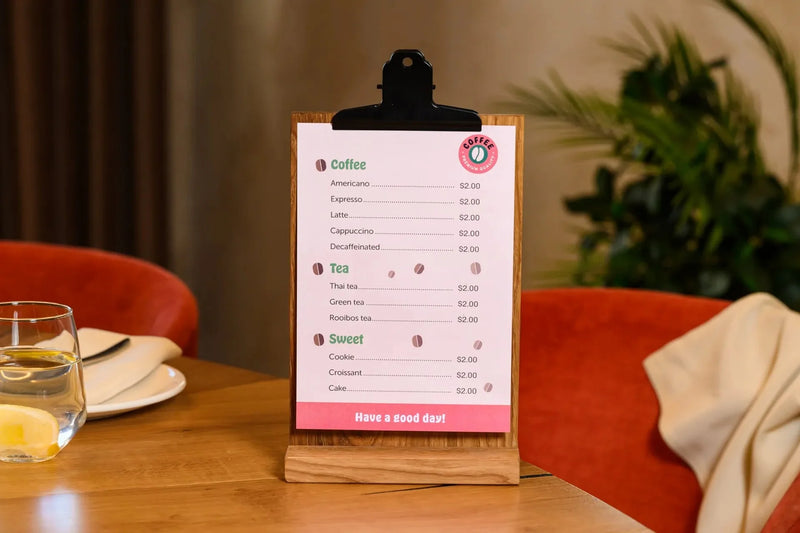
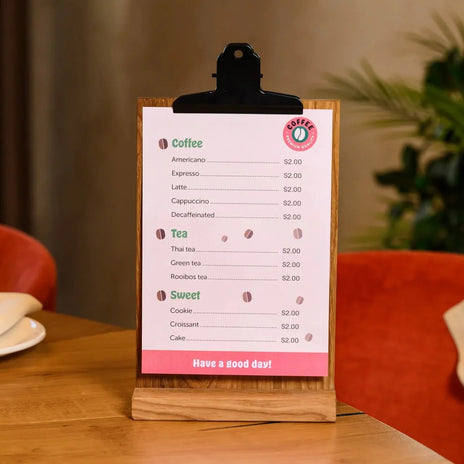
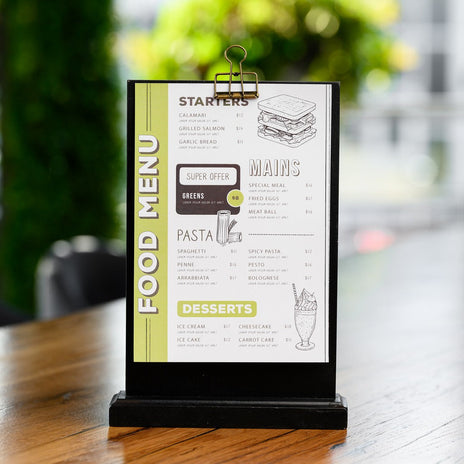
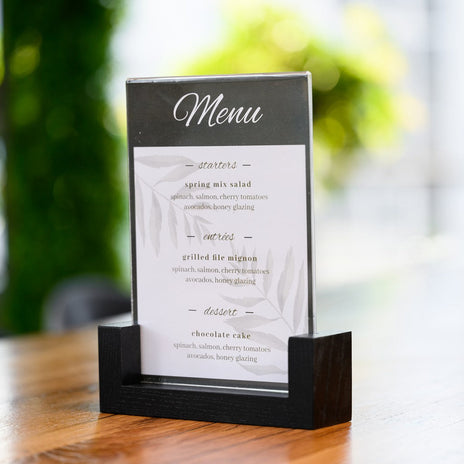
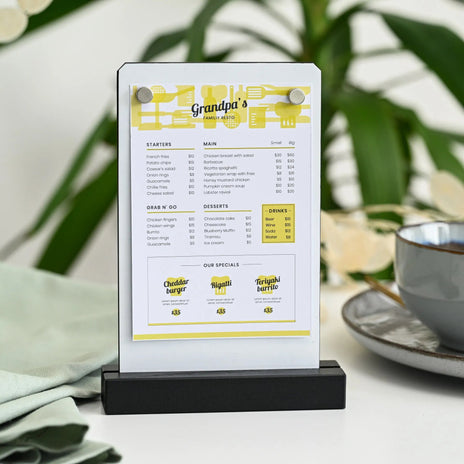
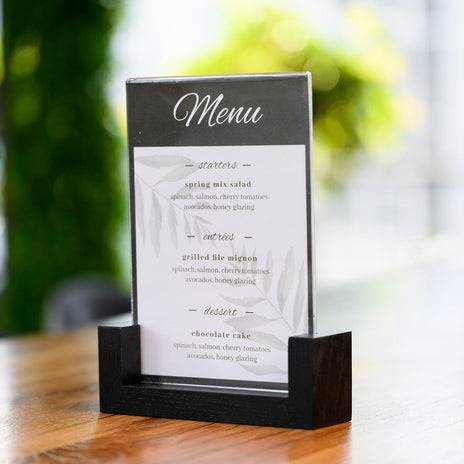
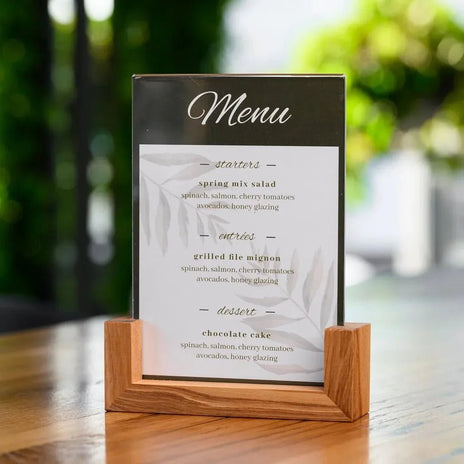
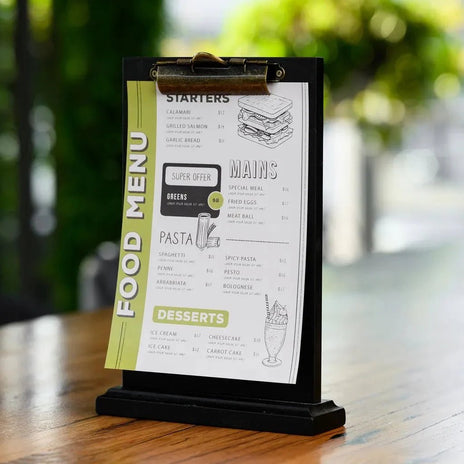
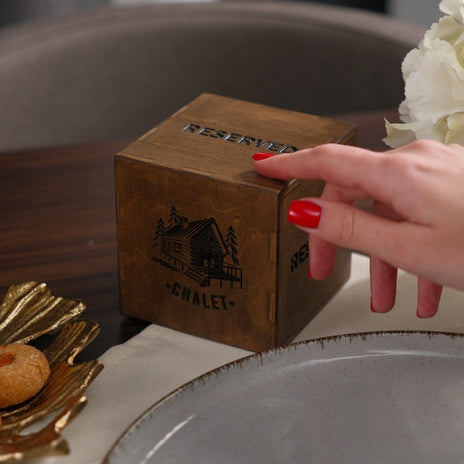
- Announce it on the table. A table stand with the prix fixe lunch or the holiday menu reaches guests before they open the main menu.
- Keep the à la carte menu separate. Two clear menus are easier to read than one crowded page.

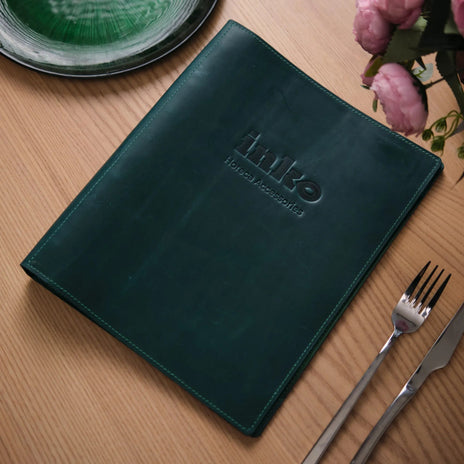
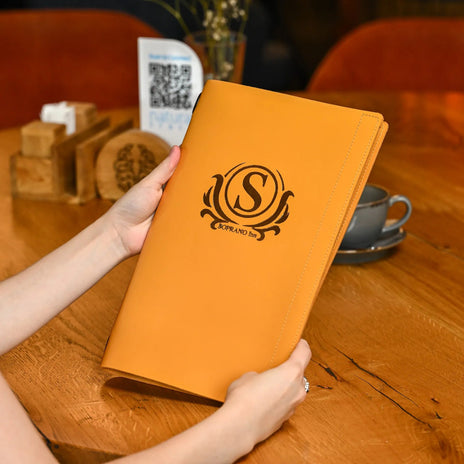
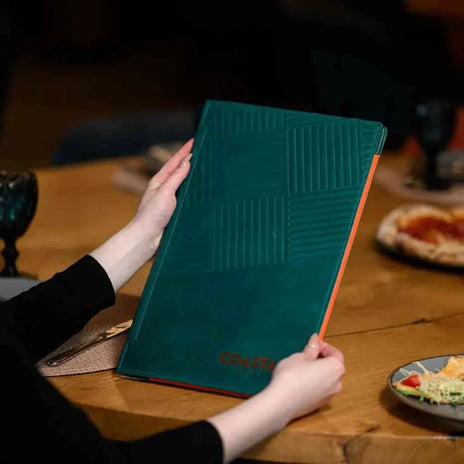
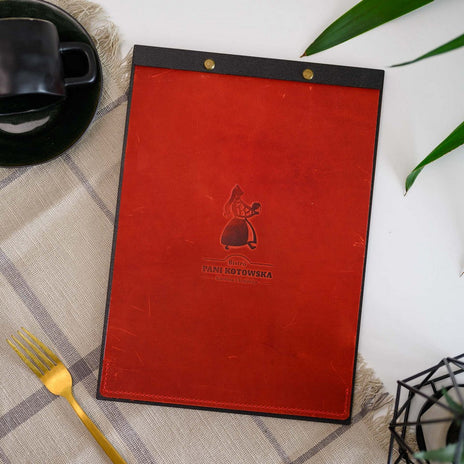
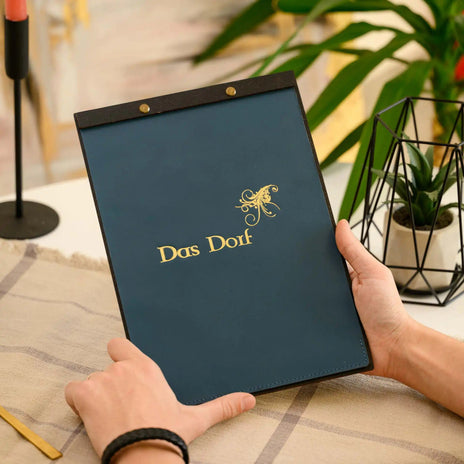
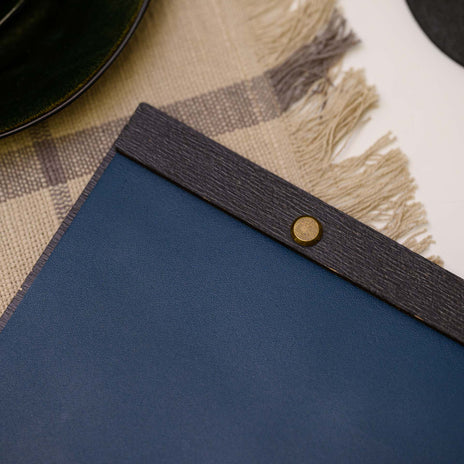
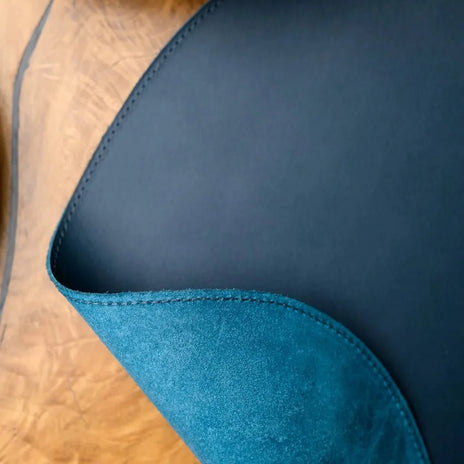
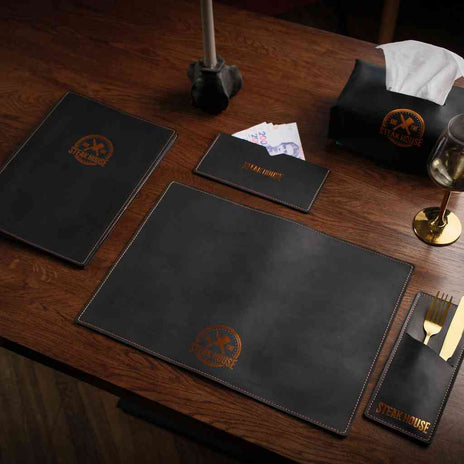
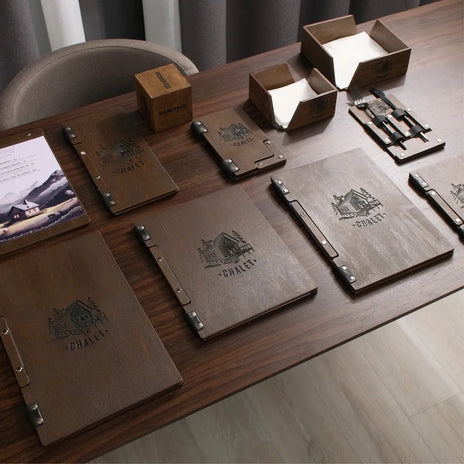
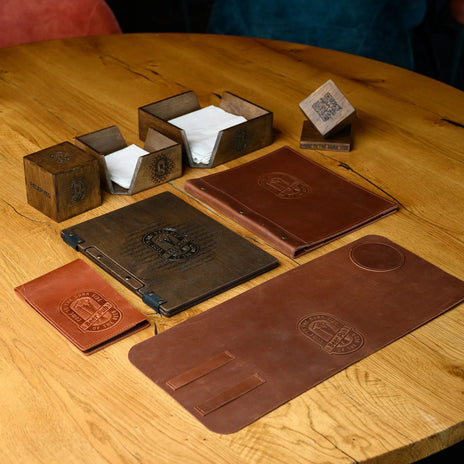
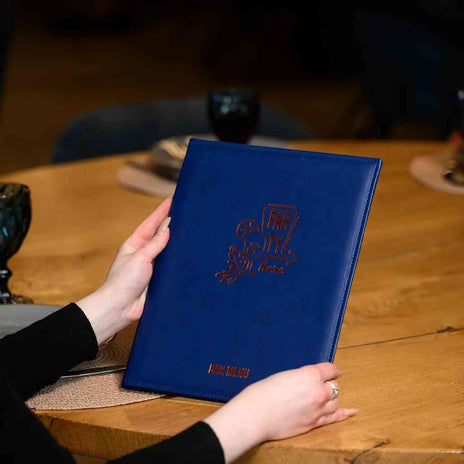
The LM08 hardcover leather menu cover (from $34) holds one Half Letter / A5 sheet inside each cover with leather corner mounts, which suits a two-page set menu. See all menu covers with corner mounts.

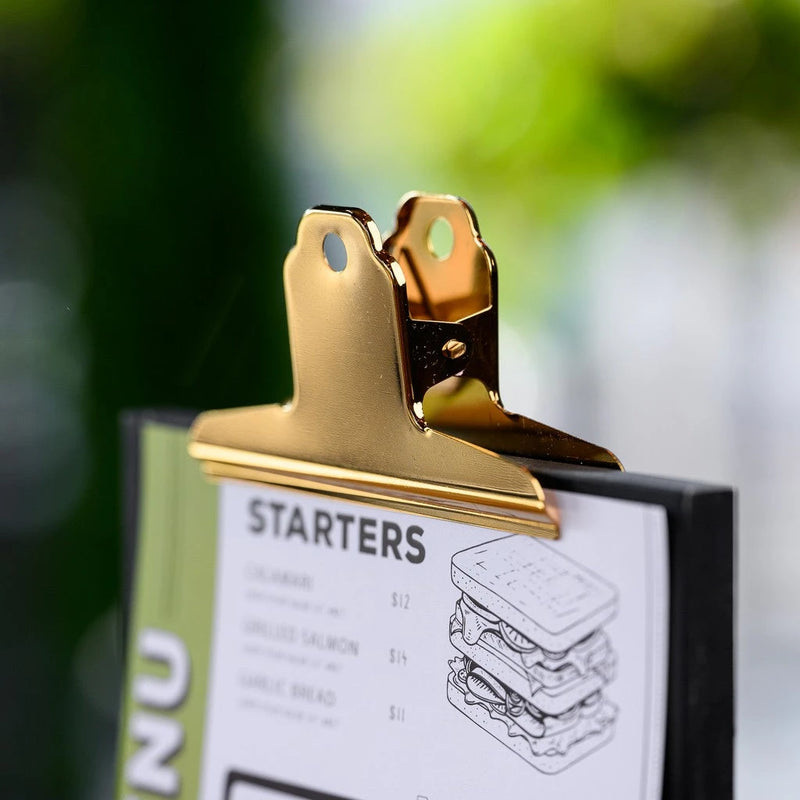
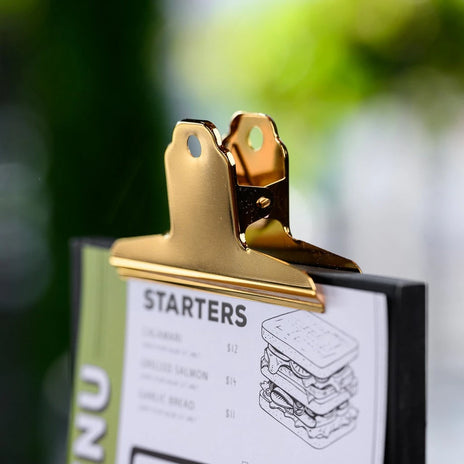
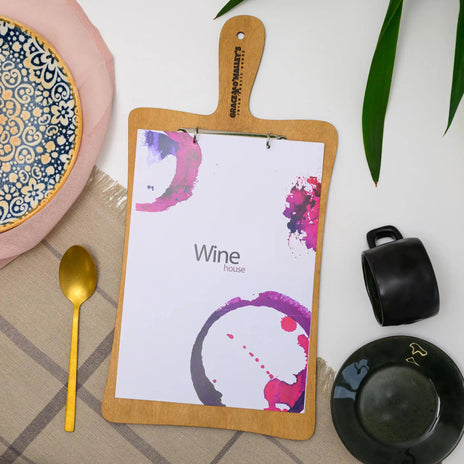
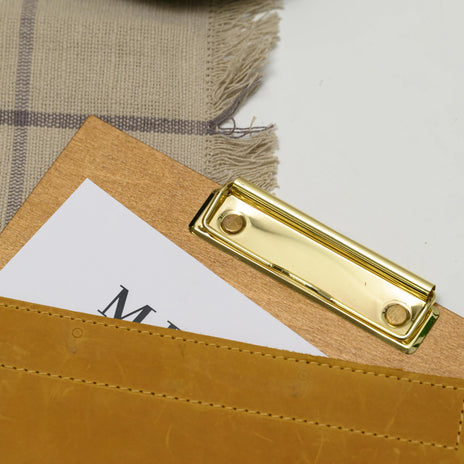
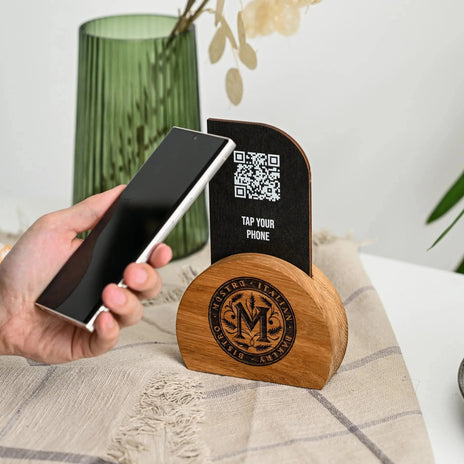
For a lunch deal or holiday menu on the table, the TT420 table stand (from $18.60) holds a Letter or A4 sheet with a brass clip. Browse all menu holders and table stands.
FAQ
What does prix fixe mean?
Prix fixe is French for "fixed price". On a restaurant menu it means a meal of several courses served for one set price.
How do you pronounce prix fixe?
"Pree feeks". The x in prix is silent and fixe sounds like "feeks".
What is the difference between prix fixe and à la carte?
Prix fixe is one price for a set number of courses with a few choices in each. À la carte means each dish is ordered and priced separately.
How many courses does a prix fixe menu have?
Most have three courses: starter, main and dessert. Lunch menus are often two courses, and fine-dining prix fixe or tasting menus can have six or more.
Is a prix fixe menu cheaper?
Usually a little cheaper than ordering the same courses à la carte, because the restaurant buys and preps fewer dishes. Drinks and supplements are normally extra.
Covers for your set menu
We make menu covers with corner mounts, screw posts or rings and table stands for specials, with your logo, from one piece. Send us your menu size and logo, and we will prepare a free digital mockup within 1–2 business days. Contact our team.