




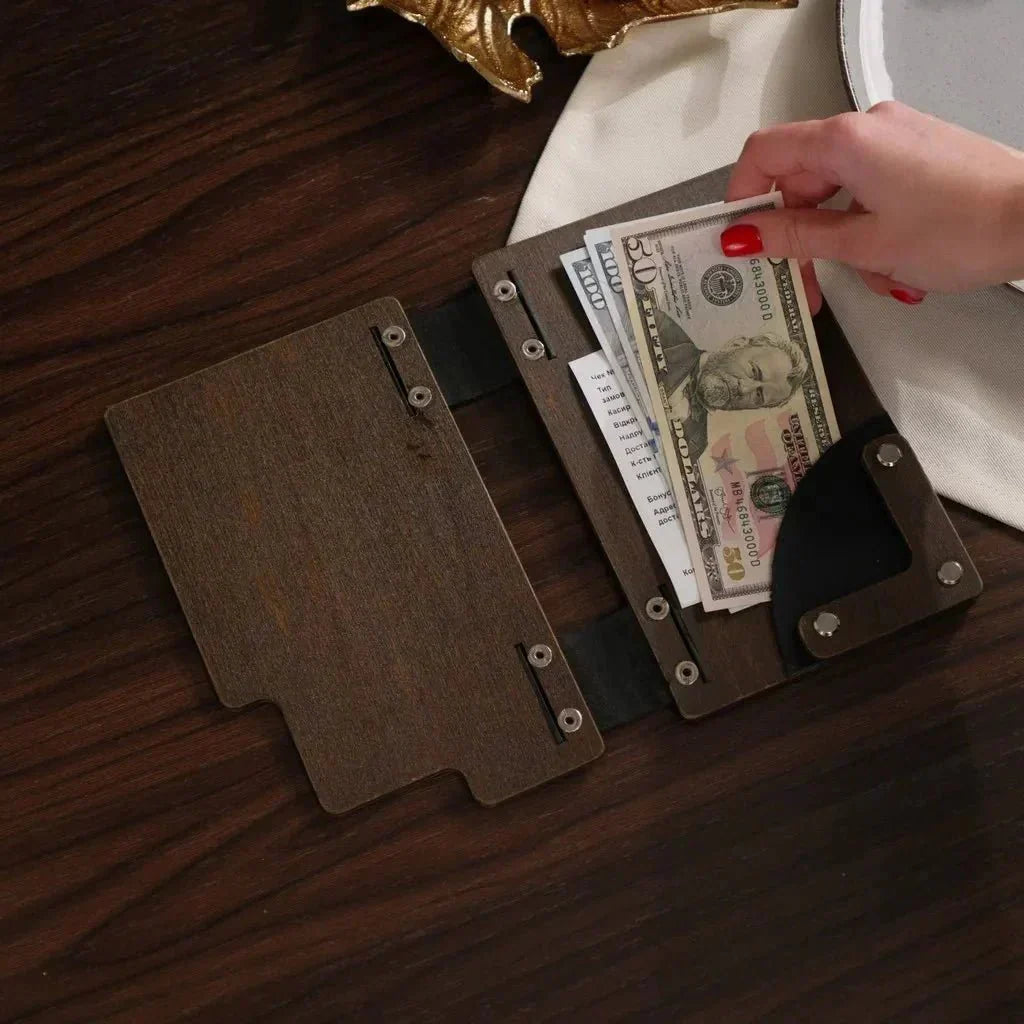
We ask staff at a Miami restaurant all the time about service charges and tipping, and it seems that customers are always perplexed. And just as much as customers are baffled, we can imagine that staff and owners at restaurants would be confused about the implications of their customers’ confusion. So here’s the question at the root of it all: Is a gratuity a tip?
Restaurants and bars owners, managers in the Americas have no idea about the serious consequences surrounding voluntary gratuities vs mandatory gratuities. Knowing this is key to a plethora of issues involving labor laws, compensation structures, menu price increases, customer satisfaction and reputation.
In this comprehensive guide, we will explore:
- The difference between gratuity and a tip
- How U.S. regulations treat service charges
- How to calculate and present restaurant charges properly
- Etiquette expectations from guests
- The impact of these practices on customer experience
- How professional bill presentation can improve communication. The use of premium check presenters and menu holders can greatly assist in explaining the charges and helping the customers to understand the entire bill.

Is Gratuity a Tip? The Short Answer
The short answer is: not always.
Both a gratuity and a tip are extra fees that a customer pays to a server at a restaurant or food establishment for the service that the customer has received, but there is a small difference between the two in terms of their definitions, both formal and informal.
- A tip is typically voluntary.
- A gratuity (often called a service charge) can be mandatory.
This difference carries important financial, legal, and psychological implications.
Tip vs. Gratuity: Core Differences
Below is a clear comparison table to outline the primary distinctions:
| Factor | Tip | Automatic Gratuity / Service Charge |
|---|---|---|
| Voluntary? | Yes | No (usually mandatory) |
| Who decides the amount? | Guest | Restaurant |
| Appears automatically on bill? | No | Yes |
| Legal classification (U.S.) | Tip income | Service charge (restaurant revenue first) |
| Subject to payroll taxes differently? | Yes | Yes (different treatment) |
| Common use | Individual dining | Large parties, events, private dining |
For restaurant operators, this distinction affects accounting and tax reporting. In the U.S., mandatory service charges are generally treated as revenue to the restaurant and then distributed as wages, while voluntary tips are considered direct tip income to employees.
Why the Confusion Exists
Several factors blur the lines between gratuity and tips:
- Automatic gratuity is often labeled “gratuity,” implying it is a tip.
- Guests assume any extra charge goes directly to servers.
- Restaurants inconsistently explain service charges on menus.
- Cultural expectations around tipping vary globally.
- Digital POS systems use inconsistent terminology.
For international restaurant brands targeting American customers, clarity becomes even more important. Miscommunication can lead to negative reviews, disputes, and reputational damage.
Understanding Service Charges in the U.S.
In the United States, tipping culture is deeply embedded in dining etiquette. Standard voluntary tips range between 15% and 25%, depending on service quality and region.
Automatic gratuity is commonly added when:
- A party includes 6–8 or more guests
- The reservation is for a private event
- The restaurant has a no-tipping policy and replaces it with a service charge
- Fine dining establishments maintain standardized service compensation
Typical Service Charge Percentages
| Type of Establishment | Typical Automatic Gratuity |
|---|---|
| Casual dining | 18% |
| Upscale dining | 18–22% |
| Private events | 20–25% |
| Hotels & banquet services | 20–24% |
Restaurant owners must clearly disclose these charges on menus and booking confirmations to avoid disputes.
How to Calculate Gratuity Properly
Whether voluntary or automatic, gratuity is usually calculated as a percentage of the pre-tax subtotal.
Example Calculation
| Item | Amount |
|---|---|
| Food & Beverage Subtotal | $200 |
| Sales Tax (8%) | $16 |
| 20% Gratuity (on $200) | $40 |
| Total | $256 |
Important: In most U.S. cases, gratuity is calculated before tax, not after.
Common Mistakes to Avoid
- Applying gratuity to the post-tax total
- Failing to disclose automatic gratuity
- Double charging (automatic gratuity + suggested tip line)
- Not training staff to explain charges confidently
Clear bill presentation is essential here. When guests see charges laid out transparently in a well-designed check presenter, confusion is minimized.
Tipping Etiquette: What Guests Expect
For American diners, tipping is not merely transactional – it reflects appreciation and social norms.
Standard Tipping Guidelines (U.S.)
- 15% – Basic service
- 18–20% – Good service
- 22–25% – Exceptional service
- $0 – Rare, only for extremely poor service
However, etiquette becomes complicated when automatic gratuity is added. Guests often wonder:
- Should I tip extra?
- Does the staff receive the full amount?
- Is the service charge mandatory or optional?
The clearer the communication, the more confident the guest feels.
The Psychology of Transparent Charges
Customer trust is strongly tied to perceived fairness. When guests feel surprised by a hidden charge, the emotional response often outweighs the monetary amount.
Transparency Improves:
- Perceived professionalism
- Trust in the establishment
- Willingness to return
- Online review ratings
- Average ticket size
Even subtle elements – like how the check is presented – affect perception. A premium leather check presenter or wooden bill holder reinforces a sense of order, clarity, and professionalism.

Operational Impact on Restaurant Owners
For restaurant operators, choosing between voluntary tipping and service charges impacts:
- Payroll systems
- Employee morale
- Income predictability
- Menu pricing strategy
- Guest satisfaction
- Legal compliance
Pros of Automatic Gratuity
- Predictable staff income
- Reduced disputes over tipping
- Standardized service compensation
- Easier forecasting
Cons of Automatic Gratuity
- Guests may feel forced
- Reduced incentive for exceptional service
- Confusion over additional tipping
- Potential legal scrutiny if not disclosed properly
Should Restaurants Replace Tips With Service Charges?
In recent years, some U.S. restaurants experimented with no-tipping models. The results have been mixed.
Factors to consider:
- Market expectations (especially in the U.S.)
- Brand positioning (casual vs. luxury)
- Competitive environment
- Staff preference
- Pricing transparency
For luxury establishments, a clearly stated service charge often aligns with the premium experience. For casual venues, customers may prefer traditional tipping flexibility.
Presenting the Bill: Why It Matters More Than You Think
The moment the check is delivered is the final emotional touchpoint of the dining experience.
If the guest is confused about gratuity at this stage, the entire experience may be overshadowed.
Professional bill presentation supports:
- Clear itemization
- Proper placement of gratuity explanation
- Space for additional voluntary tipping
- Brand reinforcement
Premium materials such as natural leather, wood, or acrylic elevate perception and communicate attention to detail.

Key Elements of Professional Bill Presentation
- Clear labeling of service charge
- Separate subtotal and tax breakdown
- Suggested tip guidelines (if appropriate)
- Clean, elegant check presenter
- Brand logo subtly embossed or engraved
Restaurants that invest in high-quality menu covers and check presenters signal operational maturity and trustworthiness – especially important in the American hospitality market.
Global Perspective: Cultural Differences in Tipping
For international HoReCa businesses serving American guests, understanding tipping expectations is critical.
| Country | Tipping Culture | Typical Practice |
|---|---|---|
| United States | Strong tipping culture | 15–25% expected |
| Canada | Similar to U.S. | 15–20% |
| Western Europe | Service included often | 5–10% or rounding up |
| Japan | No tipping | Can be considered rude |
| Australia | Not mandatory | 5–10% for excellent service |
If your venue attracts American travelers, failing to align with their expectations can create friction.
Communication Best Practices for Restaurants
To avoid confusion and build trust, restaurants should:
- Clearly state service charges on menus
- Mention automatic gratuity for large parties
- Train staff to explain charges confidently
- Ensure POS receipts reflect breakdown accurately
- Avoid ambiguous wording
Example Menu Disclosure
“A 20% service charge will be added to parties of 6 or more. This charge is distributed among service staff.”
Clear language reduces negative reviews and awkward conversations.
How This Impacts Brand Positioning
For premium HoReCa brands, every detail matters – including how gratuity is communicated.
Luxury establishments must ensure:
- No surprise charges
- Elegant presentation
- Consistent policy enforcement
- Clear printed explanation
High-quality materials – like handcrafted leather check presenters or wooden menu board – subtly communicate professionalism. When a guest sees a carefully designed bill folder instead of a loose paper receipt, they perceive order and credibility.

The Financial Strategy Behind Service Charges
From a business standpoint, service charges can:
- Offset rising labor costs
- Stabilize staff income
- Reduce tip variability
- Simplify revenue forecasting
However, they must be integrated carefully into pricing strategy.
Restaurants must decide:
- Should menu prices remain lower with added service charge?
- Or should prices increase with no tipping expected?
Both models work – but clarity is non-negotiable.
Key Takeaways for Restaurant Owners
To summarize the question “is gratuity a tip?”, here are the essential conclusions:
- A tip is voluntary.
- Gratuity can be mandatory.
- Legal classification differs in the U.S.
- Transparency prevents disputes.
- Presentation influences perception.
- Clear communication strengthens brand trust.

Final Thoughts
While the terms gratuity and tip are used interchangeably by many in the industry, they are not the same thing. This may seem like a trivial distinction to some, but to a manager in a hospitality business it is very important.
Service charges are a major point of contention for many restaurants and bars looking to increase customer traffic in the United States. Making sure your customers are aware of service charges and the implications for your brand is essential to maintain your reputation, avoid potential penalties and to ensure that the overall customer experience is optimal.
It begins with charge calculations and ends with serving the meal.
Bill and menu transparency is important, but so is presentation. We believe that our premium leather, wood and acrylic bill presenters and menu holders reflect the high standards that you strive to achieve in your restaurant.
Building trust is an ongoing battle in the hospitality industry and the final bill is what can often make or break the trust a hotel or restaurant has built with its guests.



Leave a comment
This site is protected by reCAPTCHA and the Google Privacy Policy and Terms of Service apply.