




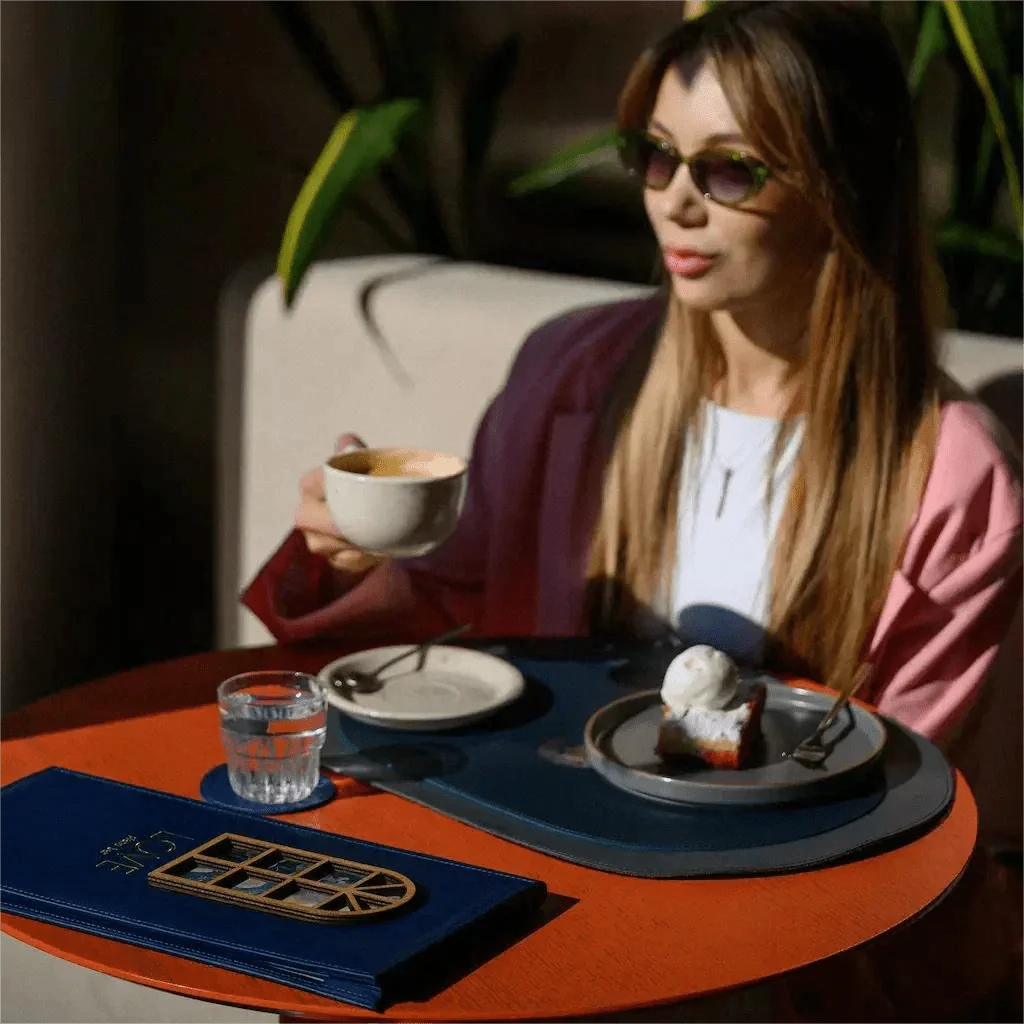
Cooking and recipes are only a small portion of what is needed to run a restaurant. There are a multitude of products, pieces of equipment and supplies that must be bought, organized and presented to the customer in order to have a quality dining experience. The companies that supply these products are referred to as “restauranteurs” or “restaurant equippers”. Restaurant Equippers supplies products to restaurants, cafes, hotel restaurants and bars.
From large commercial kitchen appliances to the smallest table top item, every piece of equipment for a restaurant helps to run and maintain a successful hospitality business. Functional, high quality, reliable and well-maintained restaurant equipment will always contribute to quality service and memorable customer experiences.
Are you wondering what a Restaurant Equipper does? Are you curious to know more about the key pieces of equipment and products that are required in a restaurant, and how the correct choices can enhance the overall performance, ambiance and customer experience of your restaurant? Well, you have arrived at the right place!

What Are Restaurant Equippers?
A restaurant equippner can be a supplier or manufacturer of a large array of items of restaurant furniture, tools, equipment and supplies such as commercial cooking equipment and serving and presentation items. A typical role of a restaurant equipping company would be to prepare a layout of the proposed restaurant based on the needs of the owner and then provide a price quote for all of the items required to open and begin the business.
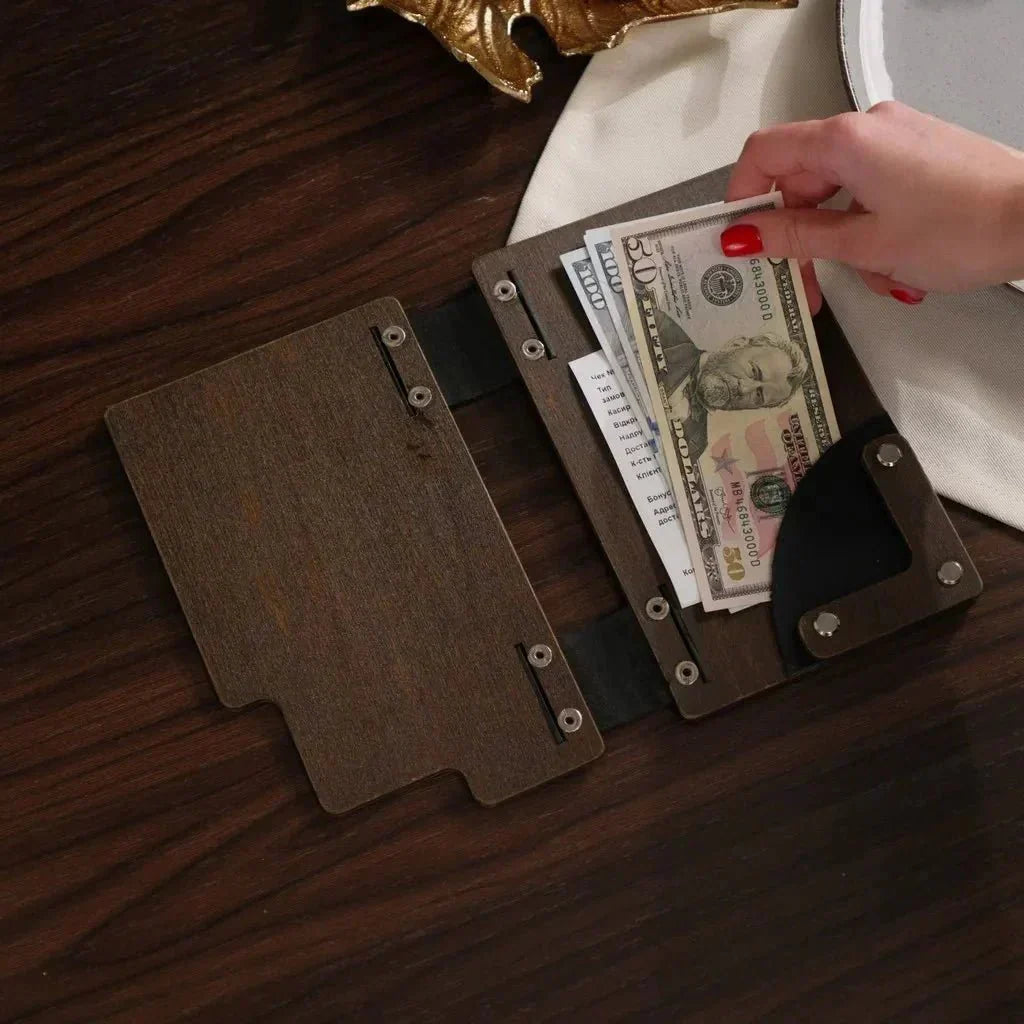
A commercial oven, refrigerator or dishwasher is necessary for any modern day commercial kitchen. However, it is the smaller commercial restaurant supplies that really enhance the dining experience for your guests. From the simple outside menu board that displays your daily blackboard specials, to the beautiful presentation of a check on a check presenter, or the efficiency of a table top organizer, to the many use display boards that post important information to your guests, these small items add up to a memorable dining experience.
Restaurant equippers typically supply products in several categories:
| Category | Examples | Purpose |
|---|---|---|
| Kitchen Equipment | Ovens, grills, fryers, refrigerators | Food preparation and cooking |
| Food Preparation Tools | Knives, cutting boards, mixers | Efficient kitchen workflow |
| Service Equipment | Trays, serving dishes, bar tools | Delivering food and drinks |
| Table Accessories | Menu covers, check presenters, table signs | Guest interaction and branding |
| Storage & Organization | Shelving, containers, racks | Maintaining order and efficiency |
For restaurant owners, working with reliable restaurant equippers ensures that every aspect of the operation — from the kitchen to the dining area — runs smoothly.
Why the Right Restaurant Equipment Matters
The equipment used in a restaurant directly affects the efficiency of the staff, the consistency of the food, and the comfort of the guests. Poor-quality equipment can slow down service, increase operational costs, and negatively impact the dining experience.
Investing in professional restaurant equipment provides several important benefits:
- Improved operational efficiency — well-designed tools allow staff to work faster and more effectively
- Consistency in food preparation — reliable equipment helps maintain consistent cooking results
- Better organization — proper storage and service accessories keep operations structured
- Professional presentation — high-quality menu accessories and table items strengthen brand image
- Long-term durability — commercial-grade equipment lasts longer under heavy daily use
Restaurant owners who carefully select their equipment often notice improvements not only in workflow but also in customer satisfaction and brand perception.

Essential Equipment Categories for Restaurants
Restaurant equippers typically organize their offerings into several main categories. Each category contributes to the overall performance of a restaurant.
1. Kitchen Equipment
Commercial kitchens require powerful, durable machines that can operate for long hours every day.
| Equipment | Function | Importance |
|---|---|---|
| Commercial ovens | Baking and roasting | Essential for consistent cooking |
| Grills & griddles | High-heat cooking | Used for meats, burgers, and breakfast foods |
| Deep fryers | Frying foods quickly | Key for fast-paced kitchens |
| Refrigerators & freezers | Food storage | Maintains food safety |
| Dishwashers | Cleaning dishes and utensils | Improves sanitation and speed |
Professional restaurant kitchens rely on equipment built specifically for high-volume cooking environments.
2. Food Preparation Tools
Food preparation tools are equally important for ensuring speed and accuracy in the kitchen.
Common examples include:
- Professional chef knives
- Cutting boards
- Food processors
- Mixers and blenders
- Portion scales
- Measuring cups and spoons
These tools allow chefs and kitchen staff to prepare ingredients efficiently while maintaining consistent quality.
3. Storage and Organization Systems
Proper storage systems help keep kitchens clean, organized, and compliant with health regulations. Efficient organization also reduces food waste and improves workflow.
| Storage Type | Purpose | Example |
|---|---|---|
| Dry storage shelving | Organizing ingredients | Metal kitchen racks |
| Refrigerated storage | Preserving perishables | Walk-in coolers |
| Food containers | Portioning ingredients | Sealed plastic containers |
| Ingredient bins | Bulk storage | Flour or sugar containers |
When kitchens are properly organized, staff can find ingredients quickly and maintain smoother service during busy hours.
Dining Room Equipment: More Important Than Many Owners Realize
While kitchen equipment is critical for food preparation, the dining area is where guests form their impressions of the restaurant. Every detail—from the menu presentation to the table accessories—contributes to the overall experience.
Restaurant equippers supply a wide variety of dining room items that help create a polished environment.
Key dining room accessories include:
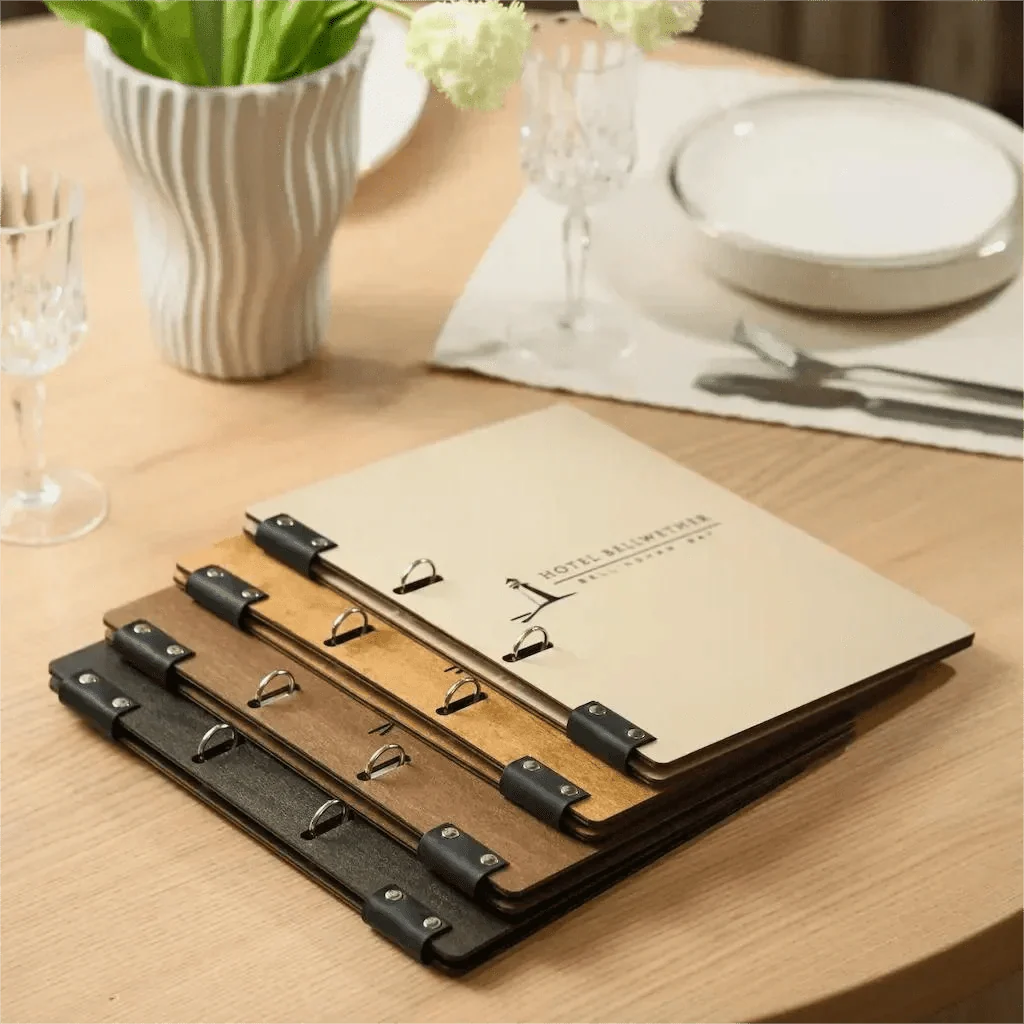
- Menu covers
- Menu holders
- Table signs and stands
- Check presenters
- Bill holders
- Table organizers
- Promotional display boards
These accessories might appear small, but they influence how guests perceive the restaurant’s professionalism and brand identity.
The Role of Menu Presentation in Restaurant Success
One of the most overlooked aspects of restaurant equipment is menu presentation. Guests often interact with the menu before they taste any food, which means the menu becomes the first physical representation of the restaurant’s brand.
Professional menu covers and holders serve several important purposes:
| Feature | Benefit |
|---|---|
| Durability | Protects printed menus from spills and damage |
| Organization | Keeps menus neat and easy to handle |
| Branding | Reinforces restaurant identity |
| Premium feel | Improves perceived quality of the establishment |
Restaurants that invest in high-quality menu accessories often create a stronger impression on guests.
Premium materials such as natural leather, wood, and acrylic are especially popular among upscale restaurants, cocktail bars, and luxury hotels because they combine durability with elegant design.

Essential Restaurant Accessories for Guest Interaction
Restaurant equippers also provide accessories that improve interactions between guests and staff.
Some of the most important guest-facing accessories include:
- Check presenters — used to deliver bills professionally
- Menu holders — help organize menus on tables or counters
- Table number stands — simplify order delivery
- Reservation signs — manage table availability
- Tabletop display stands — promote specials or events
These items contribute to smoother service and clearer communication between staff and guests.
Restaurant Equipment for Branding and Atmosphere
In modern hospitality businesses, branding is just as important as food quality. Restaurants today aim to create a memorable atmosphere that reflects their concept and target audience.
Custom accessories play a major role in this process.
Restaurants often use custom-designed items such as:
- Branded menu covers
- Engraved wooden menu boards
- Leather check presenters
- Tabletop display holders
- Braded bill folders
These elements help create a consistent visual identity throughout the dining space.
For example, a premium steakhouse might choose leather menu covers and wooden menu boards, while a modern café might prefer acrylic menu stands and minimalist table accessories.
Custom Restaurant Equipment vs Standard Products
Restaurant equippers often offer two types of products: standard ready-made equipment and custom-designed items.
Both options have advantages depending on the restaurant’s needs.
| Feature | Standard Equipment | Custom Equipment |
|---|---|---|
| Availability | Immediate purchase | Production time required |
| Price | Usually lower | Often higher |
| Branding | Generic design | Fully branded |
| Flexibility | Limited options | Fully customizable |
| Uniqueness | Common products | Unique restaurant identity |
Many successful restaurants combine both approaches: standard equipment for kitchens and custom accessories for guest-facing elements like menus and bill holders.
Materials Used in Professional Restaurant Accessories
High-quality restaurant accessories are made from durable materials that can withstand heavy daily use.
Some of the most popular materials include:
Natural Leather
- Premium appearance
- Extremely durable
- Common in luxury restaurants and hotels
Wood
- Warm and natural aesthetic
- Perfect for rustic or upscale concepts
- Often used for menu boards and table stands
Acrylic
- Modern and minimalist look
- Easy to clean
- Popular in contemporary cafés and bars
Metal
- Strong and durable
- Used for stands, holders, and structural components
Choosing the right material helps restaurants balance durability, aesthetics, and brand identity.
How Restaurant Equippers Help Improve Operational Efficiency
Professional restaurant equipment does more than simply perform tasks—it helps streamline operations across the entire business.
Here are some ways restaurant equippers contribute to operational efficiency:
- Optimized kitchen workflows through specialized appliances
- Improved service speed with well-designed trays, holders, and presentation tools
- Better organization through shelving and storage systems
- Professional guest communication using signage and table accessories
- Brand consistency through custom-designed elements
For restaurants aiming to scale or improve service quality, selecting the right equipment suppliers is a key strategic decision.
How to Choose the Right Restaurant Equipper
With many suppliers available on the market, restaurant owners should carefully evaluate potential restaurant equippers before making purchasing decisions.
Important factors include:
Product Quality
Durability is critical for equipment that will be used daily in a high-pressure environment.
Customization Options
The ability to create custom accessories helps restaurants strengthen their brand identity.
Production Capabilities
Manufacturers that control their own production often provide better quality control and more flexible design options.
Material Selection
High-end materials like leather, wood, and acrylic allow restaurants to match accessories with their interior design.
Global Shipping and Support
For international hospitality businesses, reliable logistics and support are essential.
The Growing Importance of Restaurant Accessories
In today’s competitive hospitality market, restaurants must differentiate themselves not only through cuisine but also through presentation and atmosphere.
Guests increasingly share their dining experiences on social media, meaning that visual details matter more than ever.
High-quality restaurant accessories can:
- enhance the visual appeal of the dining environment
- strengthen brand identity
- improve guest comfort
- create memorable dining experiences
- support consistent service standards
Even small elements like menu covers or check presenters can influence how guests perceive the professionalism of a restaurant.

Conclusion
Every restaurant owner knows that a fully kitted out restaurant is an essential component to any successful hospitality business. From large appliances to the humblest item of cutlery, the standard of your restaurant equipment can either make or break the daily operation of your premises.
Your commercial kitchen equipment is what prepares the food for your customers, but your dining room accessories such as your menu covers, menu holders, check presenters and display boards all add to the dining experience and help to build your image.
Well designed, long lasting and high quality equipment such as custom designed restaurant tables and bespoke restaurant furniture made from leather, wood and acrylic can have a lasting impact on customers and make a contribution to the ambiance of the restaurant premises and therefore have a direct impact on footfall and sales.
For restaurateurs, chefs and hospitality managers, partnering with an equipment supplier is more than just buying product. It is the starting block for operational efficiency, brand continuity and long term success.

Dejar un comentario
This site is protected by reCAPTCHA and the Google Privacy Policy and Terms of Service apply.