




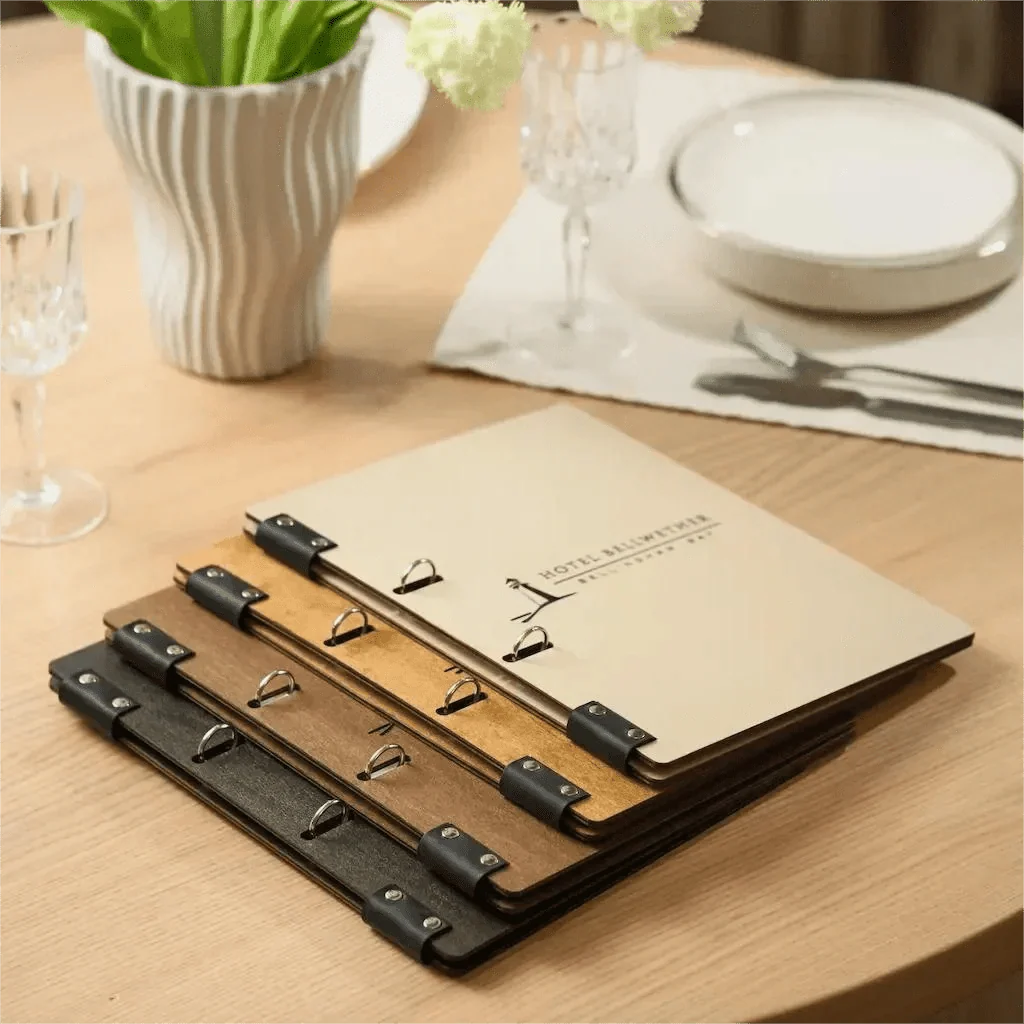
A restaurant, cafe, hotel or resort menu is more than just the food on the page. It is one of your key marketing tools and it can affect the way potential guests view your property as well as influence their purchasing decision.
Are you the owner of a restaurant, coffee shop or a hotel? Then you are well aware that creating a great menu design is not just a matter of personal preference, but an obligation. With countless variables to choose from — including paper types, fonts, colour schemes and composition — getting the balance just right can be a very challenging task. In this article we reveal the most useful and innovative ideas for effective and unique menu design.
The menu is usually the first thing a customer sees when they are seated. A pretty menu is the first step to a successful dining experience. A great looking menu can help give your guests an idea of the concept of your restaurant and can help guide their ordering choices. A good menu will reflect the atmosphere and personality of your restaurant and convey a clear message of the food and beverage options, which will help to engage the customer and facilitate the sales process.

Why Menu Design Matters More Than You Think
Menu design plays a crucial role in shaping the dining experience. Before guests even taste your food, they form impressions based on how your offerings are presented.
A well-crafted menu helps to:
- Guide customer decisions
- Increase average order value
- Highlight high-margin items
- Reinforce brand identity
- Improve overall customer satisfaction
Studies in menu psychology show that strategic placement, typography, and visual hierarchy can significantly influence what customers order. This means your menu is not just informative — it is persuasive.
Creative Menu Design Ideas That Work
Now let's explore actionable ideas you can implement to make your menu more engaging and profitable.
1. Use Premium Materials to Elevate Perception
The tactile experience of a menu can instantly signal quality.
High-end materials include:
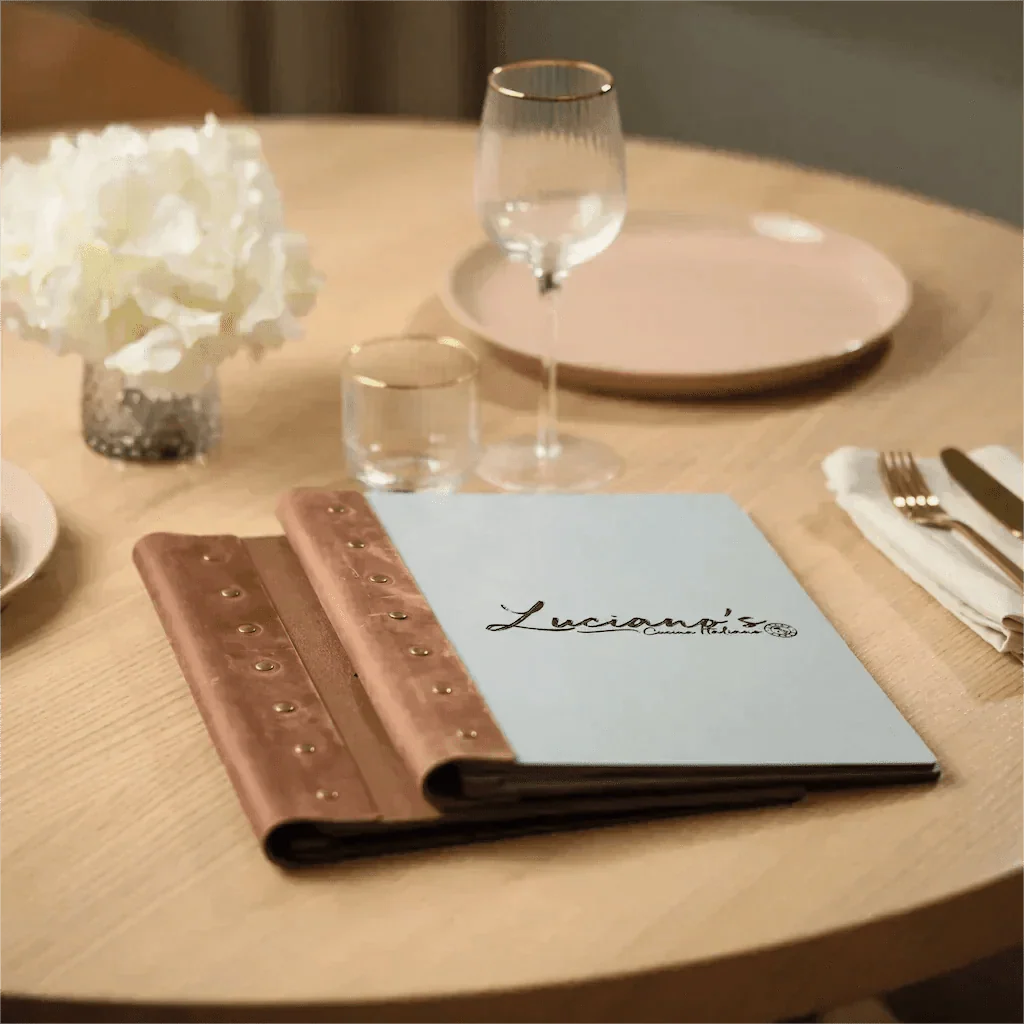
- genuine leather for luxury restaurants
- wood for rustic or eco concepts
- acrylic for modern, minimal interiors
A menu cover made from premium materials creates a strong first impression and reinforces brand positioning.
2. Highlight Signature Dishes Strategically
Not all dishes deserve equal attention. Use design techniques to guide customers toward your most profitable or popular items.
Effective methods:
- Boxes or frames around key dishes
- Icons such as "Chef’s Choice"
- Subtle background shading
- Slightly larger font size
Avoid overusing these techniques. Too many highlights reduce their effectiveness.
3. Limit Choices to Avoid Decision Fatigue
A cluttered menu overwhelms customers and slows down ordering.
Best practices:
- 5–7 items per category
- Clear category separation
- Logical progression from appetizers to desserts
A simplified menu increases both satisfaction and speed of decision-making.
4. Integrate Visual Hierarchy
Visual hierarchy helps guests scan the menu efficiently.
Key elements:
- Headings and subheadings
- Font size variation
- Spacing and alignment
- Strategic use of whitespace
Whitespace is not empty space — it is a design tool that improves readability and focus.
5. Use Menu Boards for Dynamic Environments
Menu boards are perfect for fast-paced or modern settings.
Ideal for:
- Cafes
- Quick-service restaurants
- Bars
- Food courts
They allow easy updates and can be designed to match your brand aesthetics.
Menu Formats and Their Best Use Cases
| Menu Format | Best For | Advantages | Considerations |
|---|---|---|---|
| Printed Menu | Restaurants, cafes | Tangible, premium feel | Requires reprinting for updates |
| Menu Boards | Fast casual, cafes | Easy to update, visible | Limited detail space |
| Digital Menus | Modern venues, hotels | Interactive, flexible | Requires tech investment |
| Table Inserts | Promotions, specials | Cost-effective, flexible | May look less premium |
6. Incorporate Storytelling into Design
People connect with stories, not just products.
Include:
- Origin of ingredients
- Chef’s philosophy
- Brand story elements
This adds emotional value and justifies premium pricing.
7. Design for Different Dayparts
Menus can change throughout the day, and design should reflect that.
Examples:
- Breakfast menus with lighter, brighter designs
- Dinner menus with darker, more sophisticated tones
- Separate drink menus for bar service
This approach enhances the overall dining experience.
Color Psychology in Menu Design
| Color | Emotional Impact | Best Use Case |
|---|---|---|
| Red | Stimulates appetite | Fast food, casual dining |
| Green | Freshness, health | Vegan, organic restaurants |
| Black | Luxury, sophistication | Fine dining, premium brands |
| White | Clean, minimal | Modern, minimalist concepts |
| Brown | Warmth, comfort | Coffee shops, bakeries |
8. Optimize Pricing Presentation
The way prices are displayed can influence spending behavior.
Effective techniques:
- Remove currency symbols
- Avoid aligning prices in a column
- Use smaller font size for prices
- Place prices immediately after descriptions
This reduces price sensitivity and keeps focus on the dish.

9. Use Check Presenters to Reinforce Branding
The customer journey does not end when the meal is over. The bill presentation is another branding opportunity.
High-quality check presenters:
- Maintain consistency with menu design
- Enhance perceived professionalism
- Leave a lasting impression
Premium materials here can subtly encourage higher tips and repeat visits.
Materials Comparison for Menu Covers
| Material | Perception Level | Durability | Best For |
|---|---|---|---|
| Leather | Very high | Excellent | Luxury restaurants, hotels |
| Wood | High | High | Rustic, eco concepts |
| Acrylic | Medium-high | Excellent | Modern, minimalist venues |
| Synthetic | Medium | Good | Casual dining |
| Paper/Card | Low | Low | Temporary menus |
10. Add Seasonal or Limited-Time Sections
Seasonal menus create urgency and keep your offering fresh.
Ideas:
- Chef’s seasonal specials
- Holiday-themed dishes
- Limited-time tasting menus
This encourages repeat visits and increases engagement.
11. Use Icons and Visual Cues
Icons can quickly communicate important information.
Common examples:
- Vegetarian or vegan symbols
- Spicy indicators
- Gluten-free labels
This improves usability and enhances the customer experience.
12. Keep Branding Consistent Across All Elements
Your menu, covers, boards, and check presenters should all reflect a unified identity.
Consistency includes:
- Colors
- Fonts
- Materials
- Tone of voice
This builds trust and strengthens brand recognition.
Design Elements That Influence Sales
| Element | Impact on Sales | Implementation Tip |
|---|---|---|
| Item placement | High | Use golden triangle strategy |
| Descriptions | Very high | Focus on sensory language |
| Visual highlights | Medium-high | Highlight only key items |
| Pricing format | High | Remove currency symbols |
| Material quality | Medium | Invest in premium covers |
13. Balance Aesthetics and Functionality
A beautiful menu that is hard to read will frustrate customers.
Ensure:
- Clear font size
- Logical structure
- Good contrast
- Easy navigation
Design should enhance usability, not complicate it.
14. Consider Custom Manufacturing for Unique Concepts
Off-the-shelf solutions rarely deliver a strong brand identity.
Custom production allows you to:
- Match exact interior design
- Choose premium materials
- Create unique formats
- Stand out from competitors
This is especially important for premium HoReCa businesses targeting high-end clientele.
15. Test and Optimize Your Menu Regularly
Menu design is not a one-time task. It should evolve based on performance.
Track:
- Best-selling items
- High-margin dishes
- Customer feedback
- Seasonal trends
Update your menu accordingly to maximize profitability.
Common Mistakes to Avoid
Even experienced operators make design mistakes that hurt performance.
Avoid:
- Overcrowded layouts
- Too many fonts
- Low-quality materials
- Inconsistent branding
- Lack of hierarchy
Small details can have a big impact on customer perception.

Final Thoughts
Menu design is where creativity meets strategy. It is a powerful tool that shapes how customers perceive your brand and influences how much they spend.
By combining thoughtful layout, premium materials, and smart psychological techniques, you can transform your menu into a sales-driving asset.
For HoReCa businesses aiming to stand out in competitive markets, investing in high-quality menu covers, menu boards, and check presenters is a strategic decision, not just a design choice.
When executed correctly, your menu becomes more than a list — it becomes an experience that guests remember, appreciate, and return for.

Dejar un comentario
This site is protected by reCAPTCHA and the Google Privacy Policy and Terms of Service apply.